

Post from 3 September 2026
Gastronomic Heritage Company
For over a century, Lalique has been synonymous with luxury, creativity, and French craftsmanship. René Lalique, a master jewelry designer of the Art Nouveau period and a master glassmaker of the Art Deco era, found in Alsace the raw materials and technical expertise needed to establish, in 1922, his factory—the only one of its kind in the world.
From Wingen-sur-Moder, in the heart of the Northern Vosges Regional Nature Park, Lalique shines through crystal, gastronomy, hospitality, and art, upholding the values of a timeless house deeply rooted in its region.
1860: Birth of René Lalique
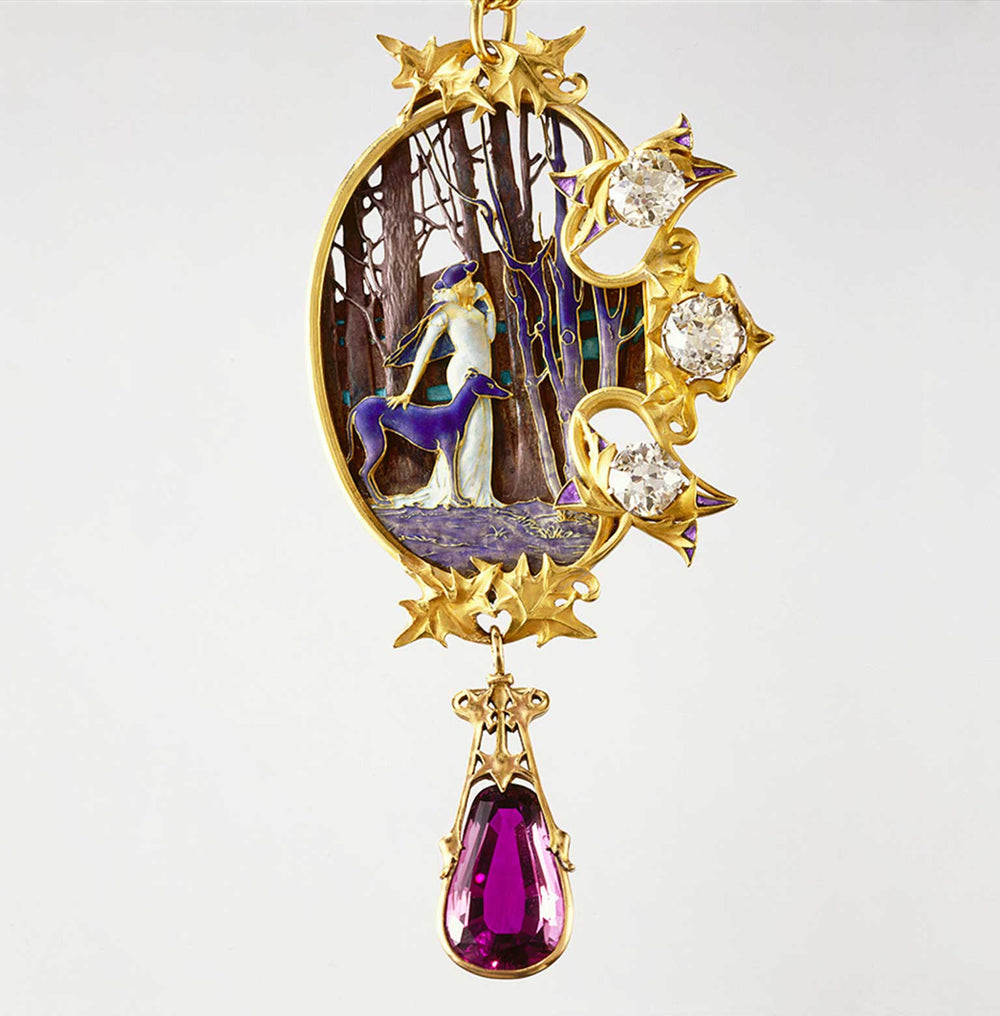
1900: World’s Fair: René Lalique is hailed as the “inventor of modern jewelry”
1922: Opening of the glassworks in Wingen-sur-Moder
2008: Acquisition by Silvio Denz: the beginning of the House’s transformation
2011: Opening of the Lalique Museum
2015: Opening of the Villa René Lalique
2016: Opening of Château Hochberg
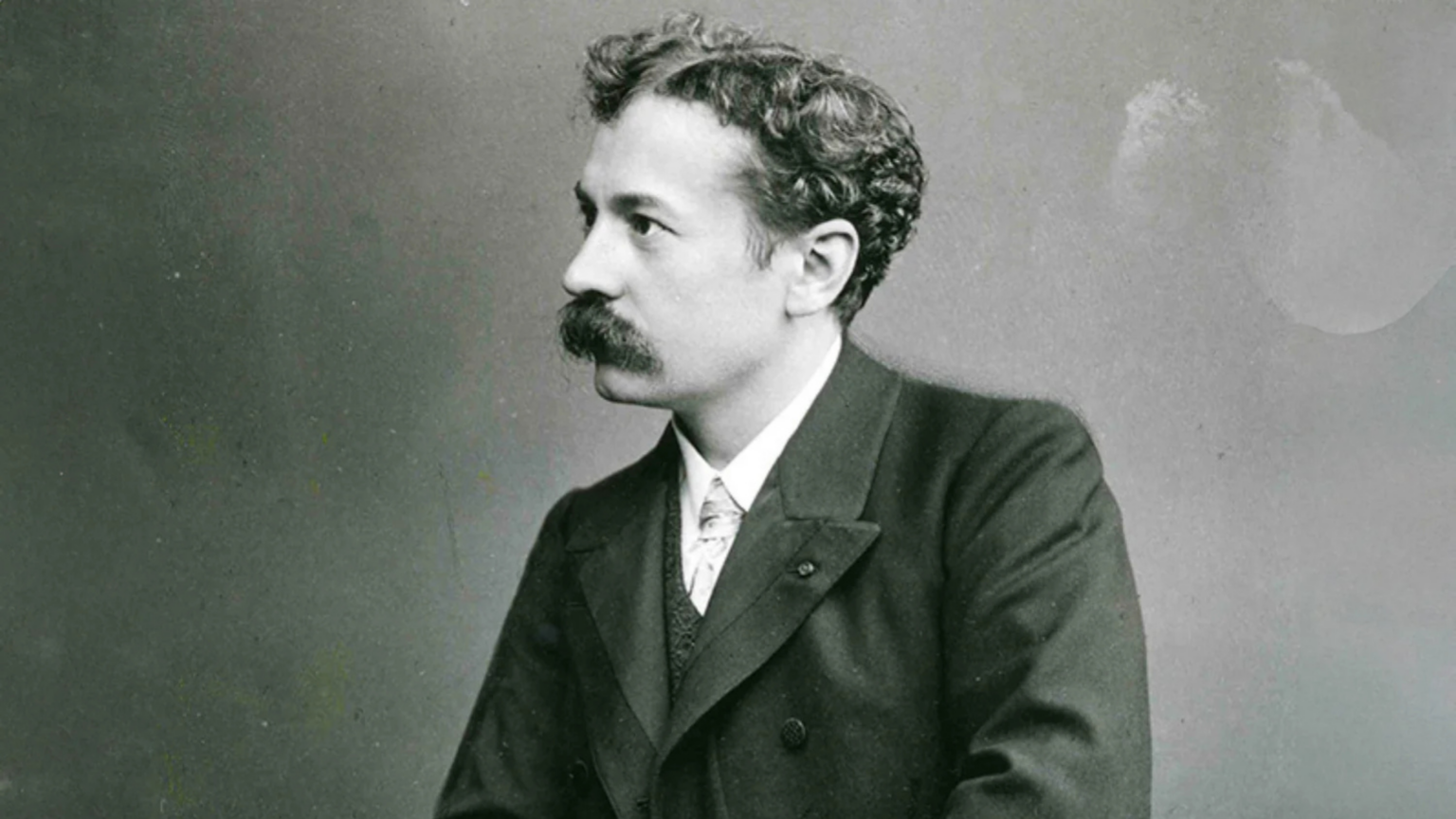
It all began in Aÿ, in Champagne, where René Lalique was born on April 6, 1860. Trained in goldsmithing in Paris, then in London at Sydenham Art College, he established himself as a freelance designer for leading jewelry houses such as Boucheron and Cartier.
In 1885, he took over the workshop of jeweler Jules Destape, and in 1888 registered his “RL” hallmark at 24 rue du Quatre-Septembre—an address that would become the birthplace of an aesthetic revolution.
At the 1900 Paris World’s Fair, he was hailed as the “inventor of modern jewelry” and elevated to the rank of Officer of the Legion of Honor. His Art Nouveau jewelry sets marked a definitive break with the jewelry conventions of the time. Dragonflies, snakes, flower-women, and motifs drawn from flora and fauna would find their way into the collections of the world’s greatest museums.
As early as 1905, René Lalique turned his attention to glass. His collaboration with perfumer François Coty, which began in 1907, marked a revolution that was as much commercial as it was aesthetic: the perfume bottle thus became a work of art.
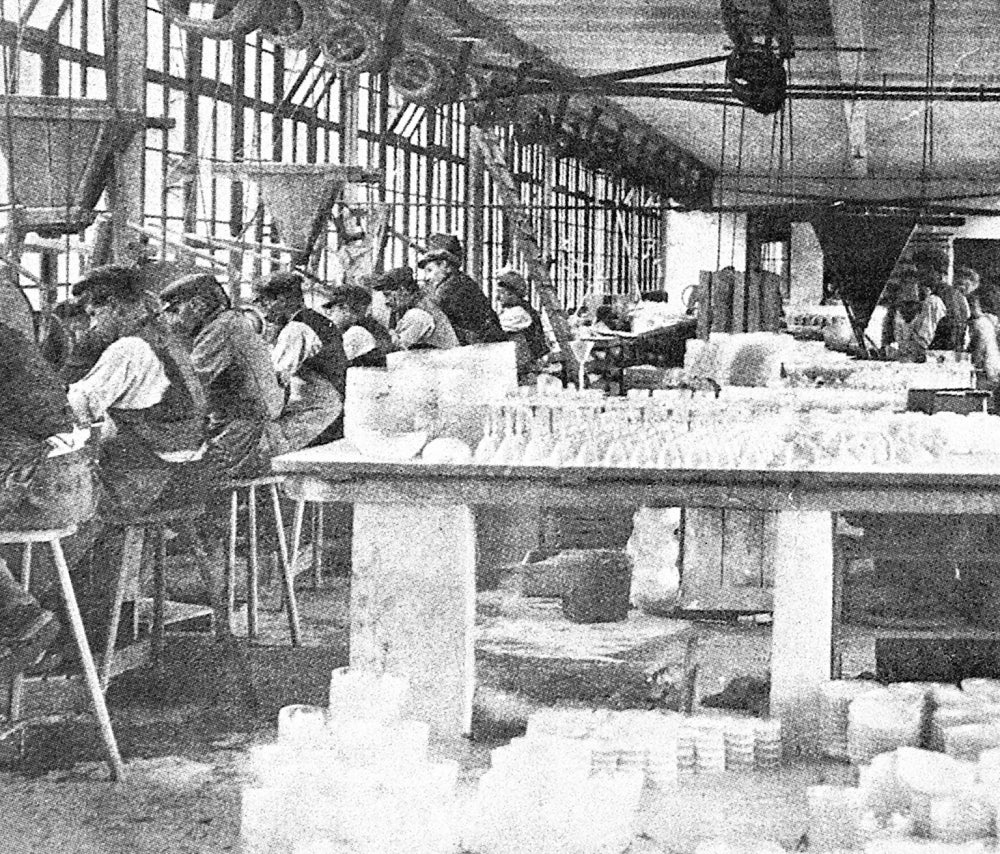
In 1922, the Verrerie d’Alsace opened its doors in Wingen-sur-Moder, in a region with a centuries-old glassmaking tradition. This crystal factory remains the only Lalique manufacturing facility in the world today.
The pinnacle of his career as a glass artist came in 1925 at the International Exhibition of Decorative Arts in Paris, where Lalique was one of the leading figures. There, he presented the *Fontaine Merveilleuse*, which Colette described as the highlight of the exhibition.
His mastery of the contrast between transparent and satin-finished glass, his patinas, his enamels, and his naturalistic motifs (plants, animals, women in motion) defined an instantly recognizable style.
A series of prestigious commissions followed in the 1920s and 1930s: the decoration of the Côte d’Azur-Pullman Express train cars, his involvement in the design of the first-class dining room on the ocean liner Normandie, sculpted glass doors for the palace of the Japanese Imperial Prince Asaka Yasuhiko, and glass mascots for the luxury automobiles of the Roaring Twenties.
Upon his death on May 1, 1945, his son Marc succeeded him. An exceptional craftsman, Marc Lalique renovated the Alsatian factory, which had been damaged by the war, and made the decisive choice to switch from glass to crystal—purer, more luminous, and easier to cut. He then brought Lalique to international renown.
His daughter Marie-Claude took over as artistic director in 1977 upon his death, leading the House until 1996.
But in the Lalique family tree, one figure often remains in the shadows. Born in 1892, the daughter of René Lalique and Alice Ledru, Suzanne Lalique-Haviland grew up under the watchful eye of her father and her grandfather, the sculptor Auguste Ledru.
Though reserved by nature, she was nonetheless a talent in her own right. As early as the 1910s, she designed powder boxes, candy boxes, and decorative objects for René.
Then, in the 1920s, she contributed to the creation of glass vases and bowls that cemented the House’s place in the Art Deco era. Glass, porcelain, painting, fabric, costumes, and stage sets—upon her death in 1989, Suzanne Lalique-Haviland left behind a multifaceted legacy that brings honor to the House.
In 2008, the Swiss company Art & Fragrance, led by Silvio Denz—a major collector of Lalique bottles—acquired the crystal manufacturer and embarked on a true transformation of the century-old brand. This included modernizing the factory, building a logistics center, installing a new tank furnace, and reactivating the lost-wax foundry.
The company was renamed Lalique Group SA in 2016 and is once again thriving across six pillars: decorative objects, perfume, jewelry, art, interior design, and hospitality.
Today, approximately 250 people work at the Wingen-sur-Moder factory, including four “Meilleurs Ouvriers de France.” Thanks to them, the spirit of a House deeply rooted in France’s artistic and cultural heritage lives on.
Philosophy and Expertise
Lalique's philosophy is based on the conviction that beauty is not a superfluous luxury, but a necessity.
René Lalique intuitively understood this from his very first pieces of jewelry, and this conviction has never left the spirit of the House, which today holds the “Living Heritage Company” designation. Led by Silvio Denz and Creative Director Marc Larminaux, Lalique champions a holistic art of living in which crystal serves as a starting point.
Lalique transcends trends in a timeless way. Collaborations with contemporary artists such as James Turrell, Zaha Hadid, Elton John, and 50 Cent, as well as unique partnerships—such as those with The Macallan whiskey, Beluga vodka, and the Swiss writing instrument brand Caran d’Ache—push the boundaries of crystal and demonstrate a House capable of engaging with its time.
Creative inspiration, meanwhile, remains faithful to the three themes dear to René Lalique: women, fauna, and flora.
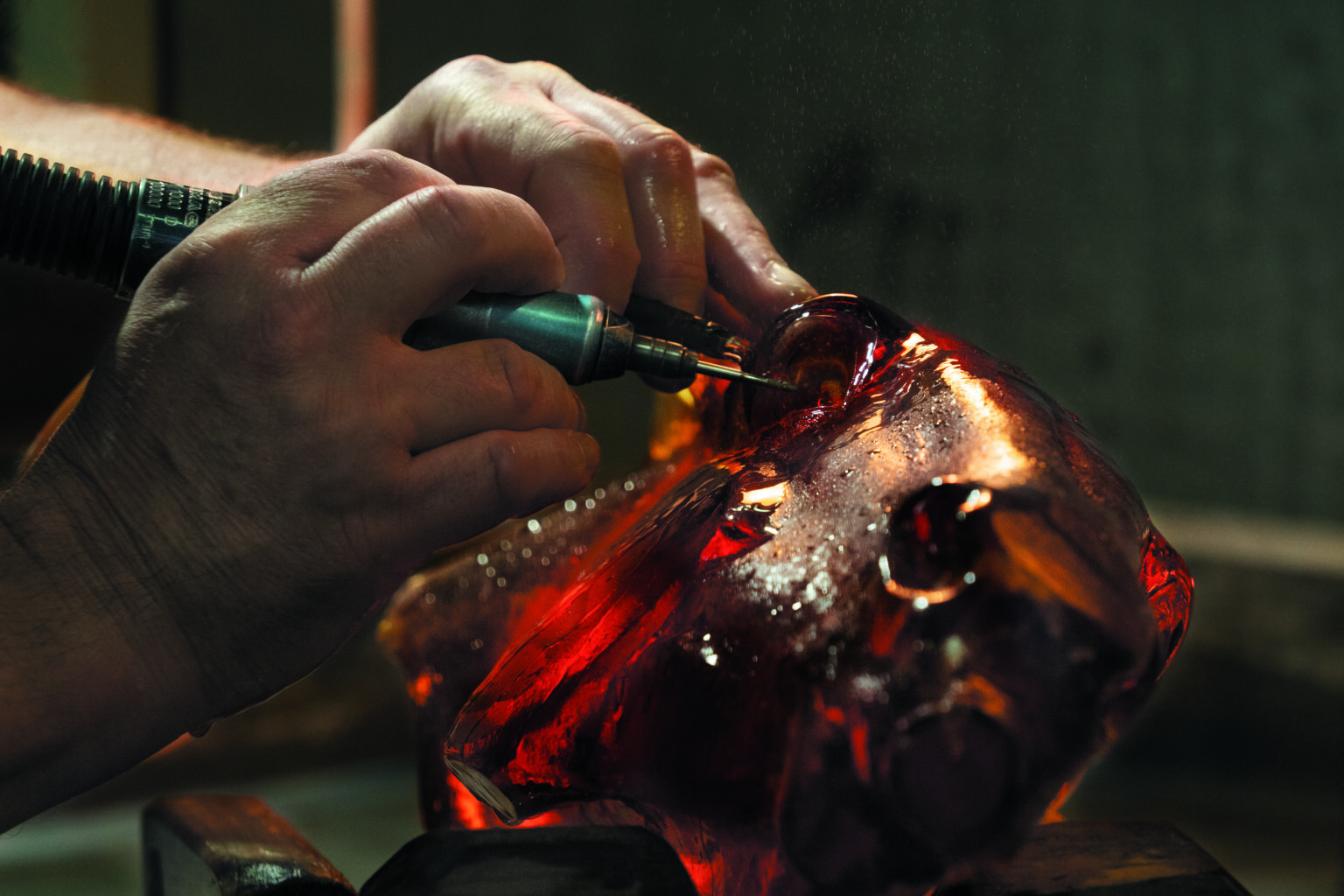
The Wingen-sur-Moder crystal factory houses workshops for hot and cold glasswork, consisting primarily of cutting, polishing, and decoration. An in-house school trains about ten glassmaking apprentices each year, ensuring the transmission of traditional skills.
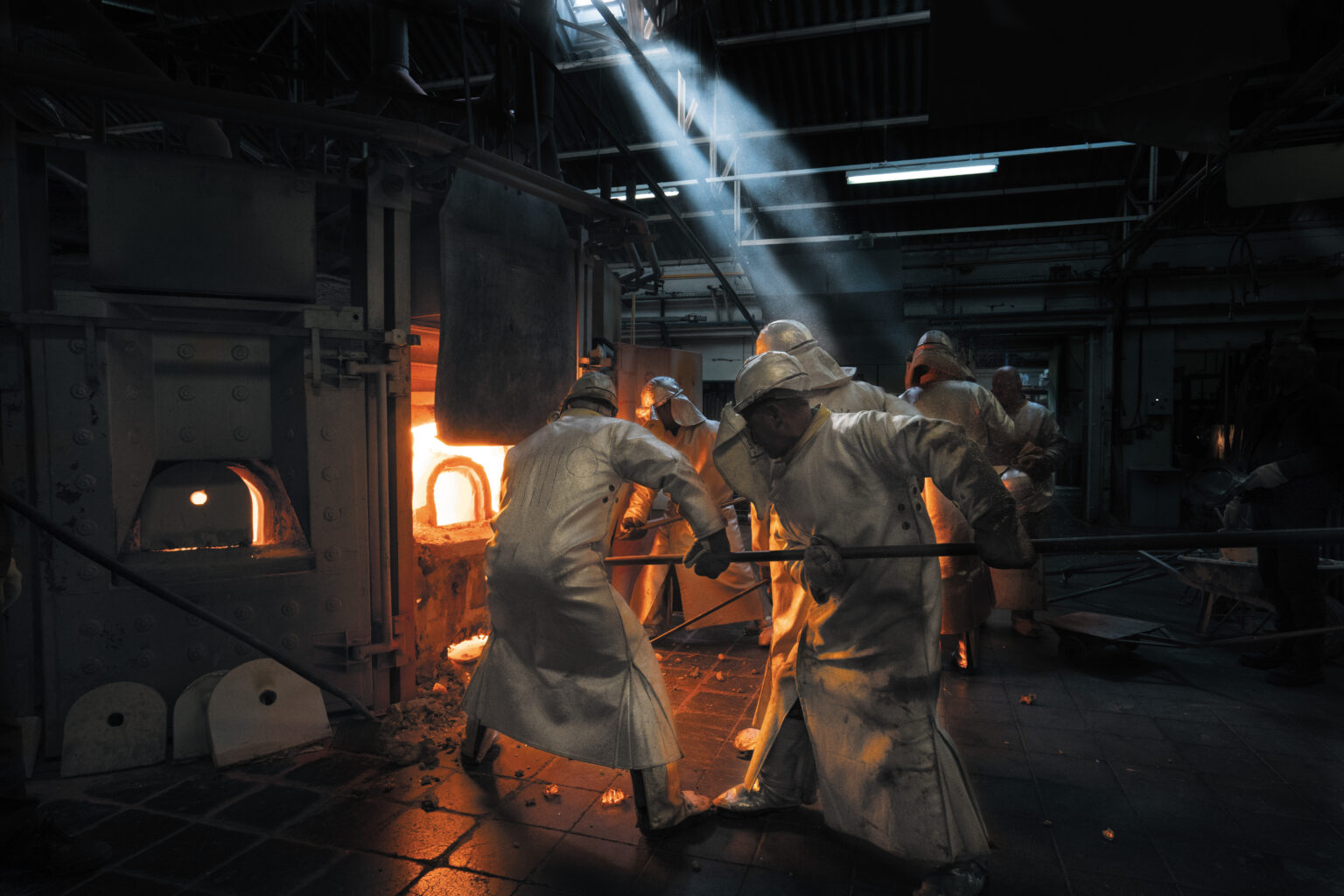
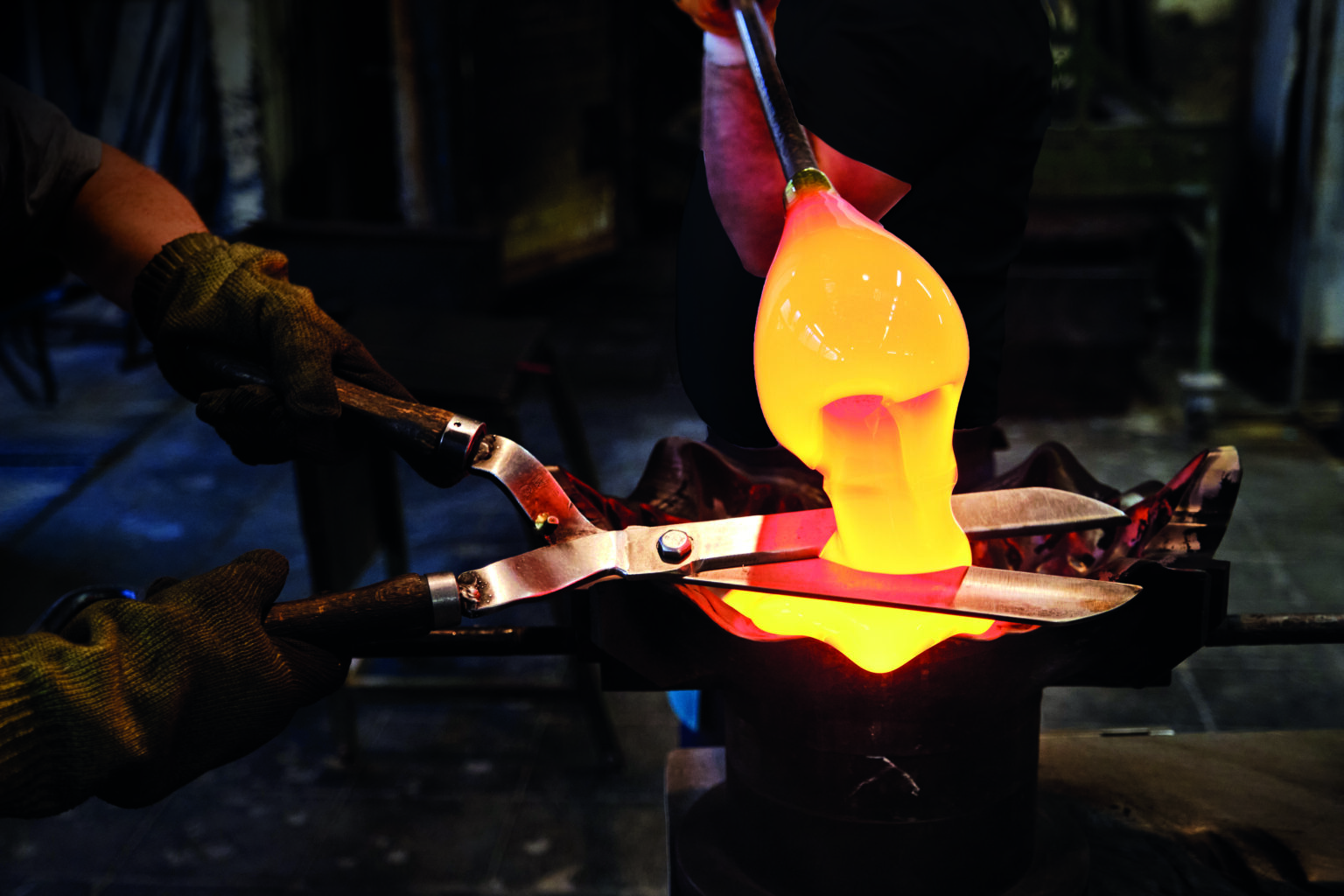
Every Lalique piece is created in these workshops. The process begins in the tank furnace, which produces six metric tons of molten crystal per day at over 1,400°C. Glistening and flowing, the molten crystal is then mouth-blown or pressed into a mold by master glassmakers.
The scrap rate after just the melting and molding stages alone reaches 40 to 50 percent. Only flawless pieces move on to the cold glass workshop, where sculptors and engravers work under cold water using diamond-tipped tools: trimming the edges, smoothing out mold seams, and refining details—all part of the art of craftsmanship.
Next come other techniques that give the crystal its signature contrast between brilliant transparency and satin-finished surfaces.
The lost-wax technique, which René Lalique used from the very beginning of his career in jewelry and which the workshop revived after 2008, allows for the creation of one-of-a-kind pieces or very small production runs with a degree of formal freedom that is impossible to achieve with cast iron molds.
In this process, which is particularly well-suited to crystal, the sculptor first models the piece in wax (which can take several weeks depending on its complexity), and then a plaster mold is cast around it. The wax is melted and removed, and molten crystal is poured into the mold.
The single-use mold is broken to release the piece. This process sometimes requires hundreds of hours of work and is the focus of the most exquisite collaborations.
Enameling, gilding, and patinas are other facets of Lalique’s craftsmanship, inherited directly from René Lalique’s jewelry-making techniques. Enamel, already present in his Art Nouveau jewelry, adds color and depth to the crystal’s reliefs.
Gilding with fine gold enhances certain exceptional pieces. These finishes, applied by hand by artisans, set Lalique apart in the creation of luxury objects.
Hospitality
While René Lalique always designed his creations for living spaces, his heirs had the audacity to take the concept to its logical conclusion, and the expansion into the hotel and restaurant industry is a wise extension of that vision.
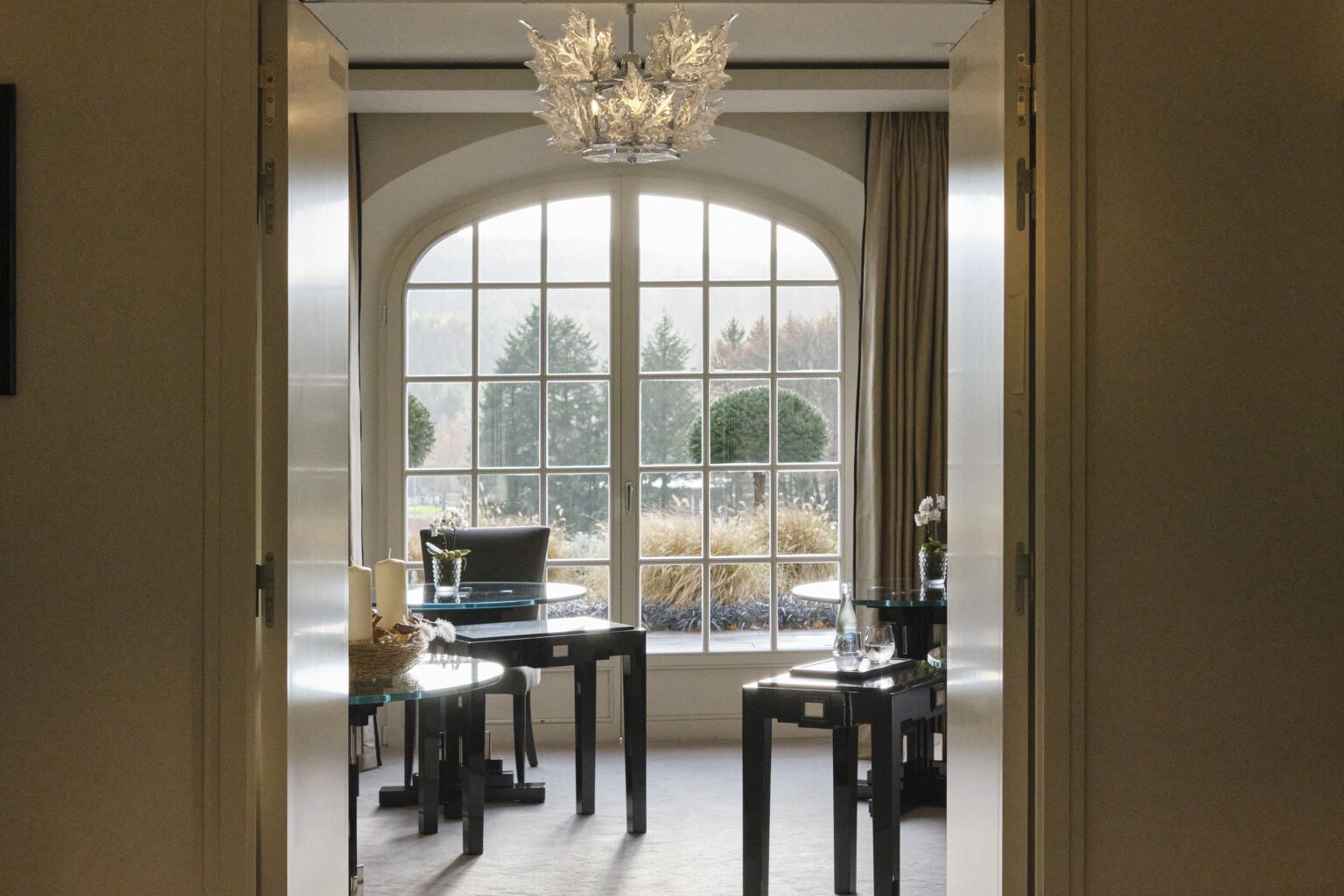
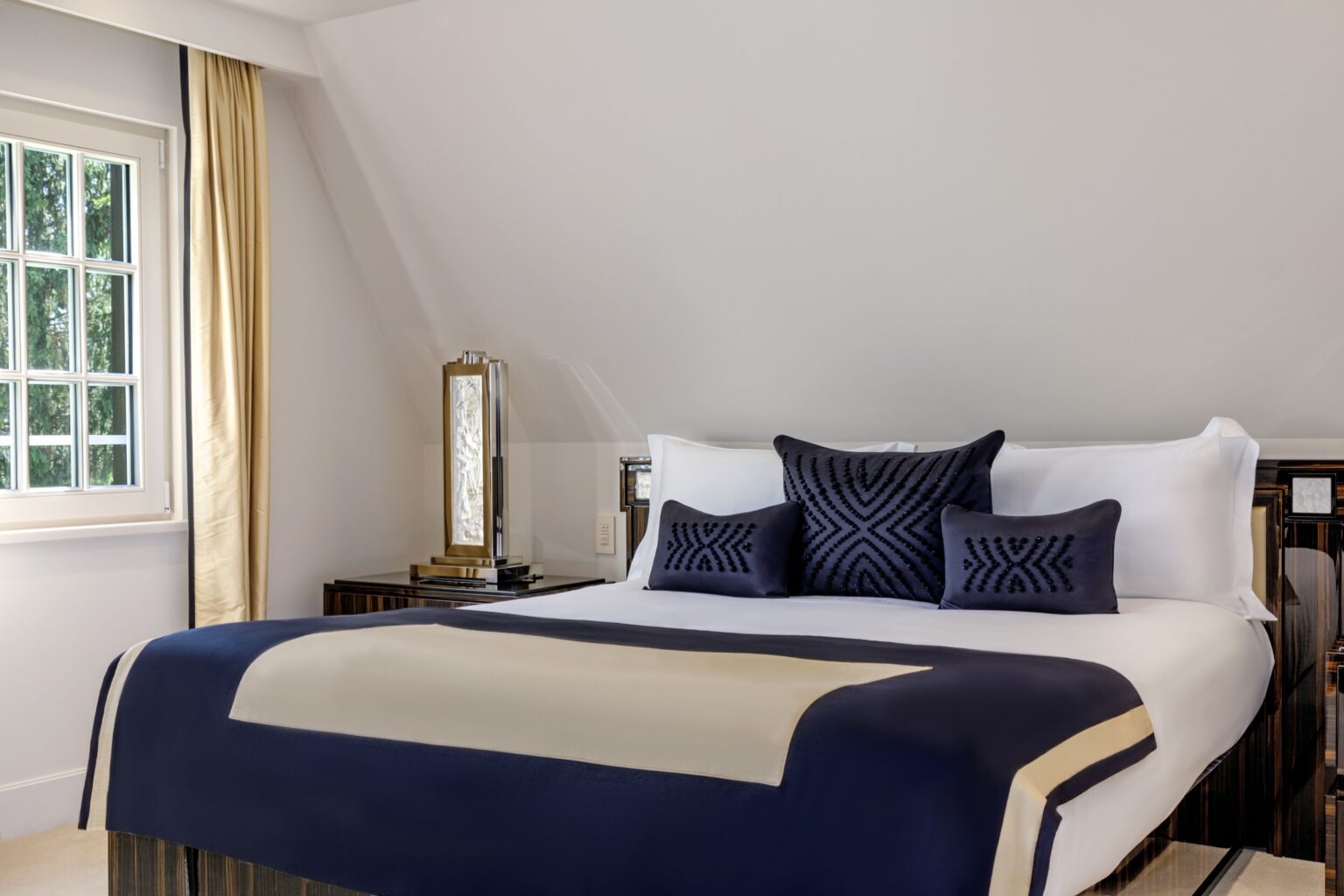
In September 2015, the villa that René Lalique had built for himself in 1920 in Wingen-sur-Moder opened its doors as a 5-star hotel. The Villa René Lalique features six exclusive suites, designed around iconic Lalique motifs, all furnished with custom-designed Lalique Maison pieces.
The historic building stands alongside a contemporary extension—open to the natural surroundings—designed by Swiss architect Mario Botta. This venue serves as the ultimate showcase of Lalique’s craftsmanship all under one roof: crystal, perfume, jewelry, tableware, and fine dining. A member of Relais & Châteaux since 2016 and of the Grandes Tables du Monde since 2019, the hotel also received a Michelin Key in 2025.
In 2016, the Château Hochberg by Lalique opened right next to the Villa. This 4-star hotel, featuring 15 rooms and a bistronomic restaurant seating 60, is housed in a historic building overlooking the village, with views of the Northern Vosges.
Its Lalique-decorated bar, summer terrace, and the cuisine of Chef Michel Scheidler make it a place with a relaxed atmosphere, without compromising on quality.
In 2018, the collection was expanded to include Château Lafaurie-Peyraguey, located in the Sauternes region (Gironde). Classified as a Premier Grand Cru in 1855, this 17-hectare estate is home to a 5-star Relais & Châteaux-certified hotel and a 2-Michelin-star restaurant.
Having earned 2 Michelin Keys for the second consecutive year in 2025, the establishment exemplifies Lalique’s ability to bring its art of living to the heart of the Bordeaux vineyards.
In 2021, The Glenturret Lalique opened in Scotland, within Scotland’s oldest operating distillery, in which the Lalique Group has held a 50% stake since 2019. The first fine-dining restaurant ever to open in a Scottish whiskey distillery, it earned its second Michelin star in 2024.
In 2026, Villa Florhof in Zurich—a historic residence located in the old town, acquired in 2022 by Silvio Denz in partnership with entrepreneur Peter Spuhler—became a Lalique-branded hotel and restaurant.
Leading Figures in the Culinary World of Alsace
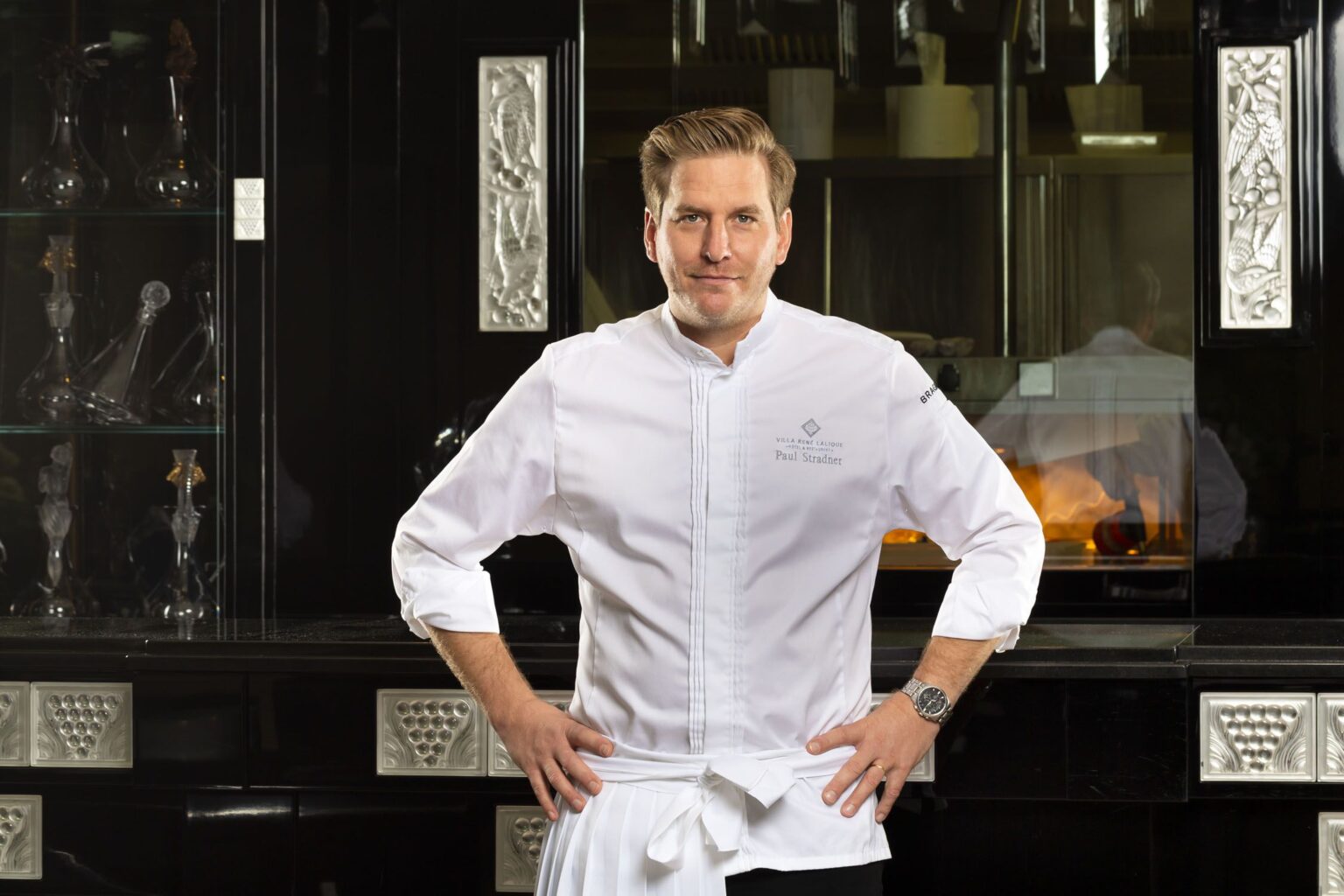
Paul Stradner, chef at Villa René Lalique.
A native of Styria (Austria), Paul Stradner grew up on an Austrian farm surrounded by cattle and pigs, raised on his grandmother’s simple, hearty home cooking. It was to escape the drudgery of farm work that he began cooking and discovered his calling.
He began his apprenticeship at age 15 and honed his style at leading restaurants in Germany and Alsace: seven years at the Schwarzwaldstube at the three-Michelin-starred Hotel Traube Tonbach in the Black Forest; then at the Brenners Park-Hotel in Baden-Baden, where he earned two Michelin stars. In 2017, Jean-Georges Klein invited him to join him at the Villa René Lalique, and it was love at first sight. When his mentor retired in 2020, he took sole charge of the two-star kitchen.
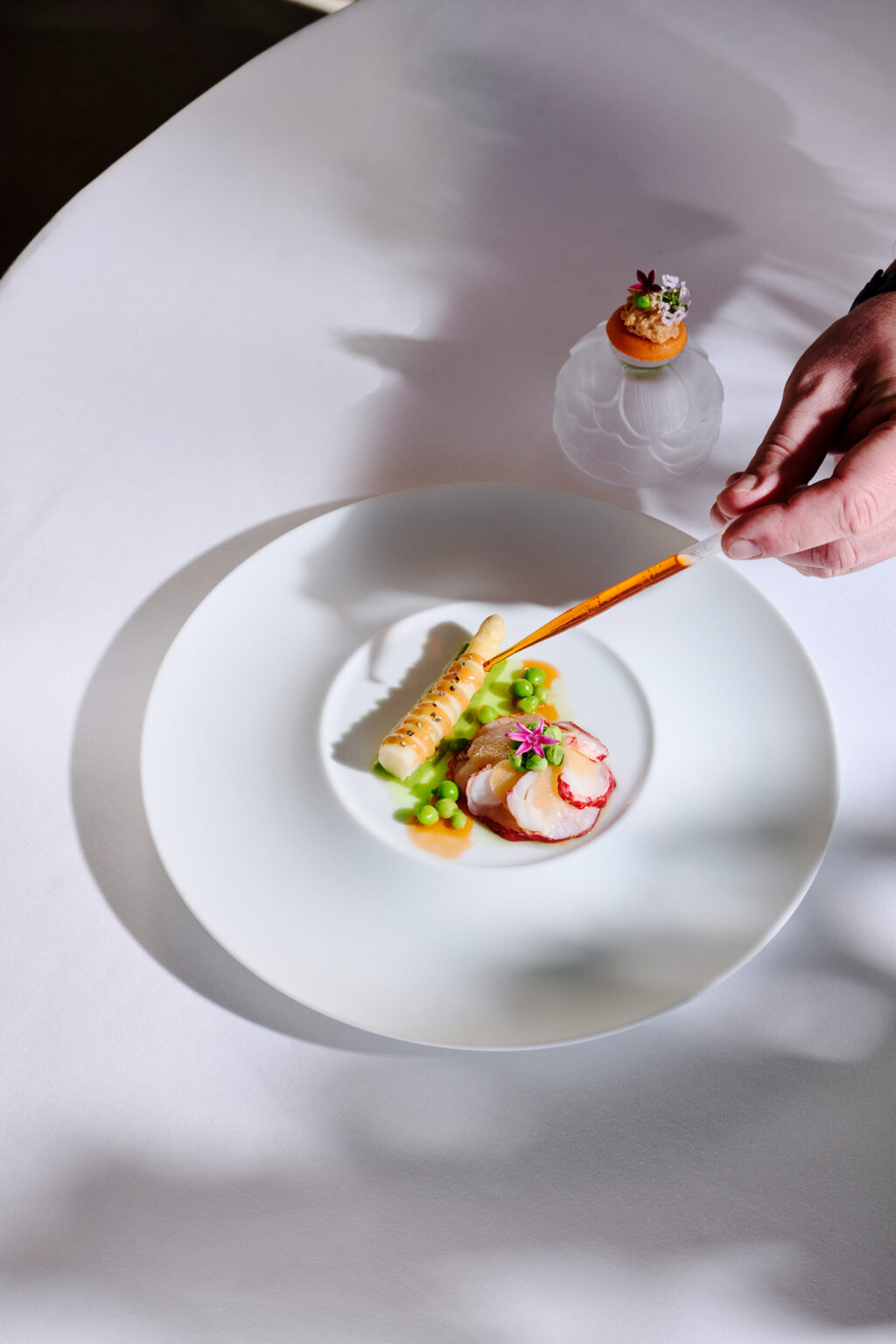
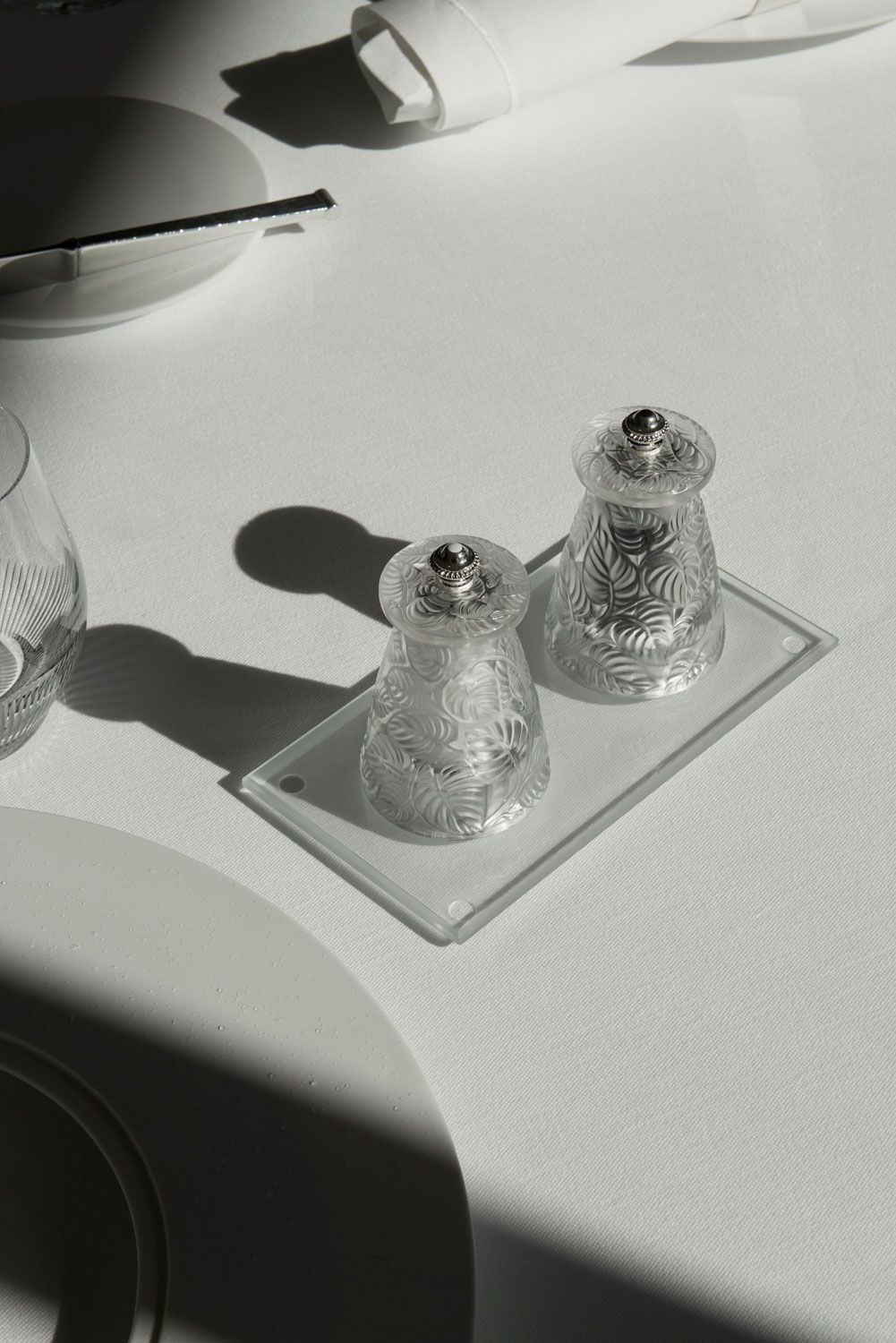
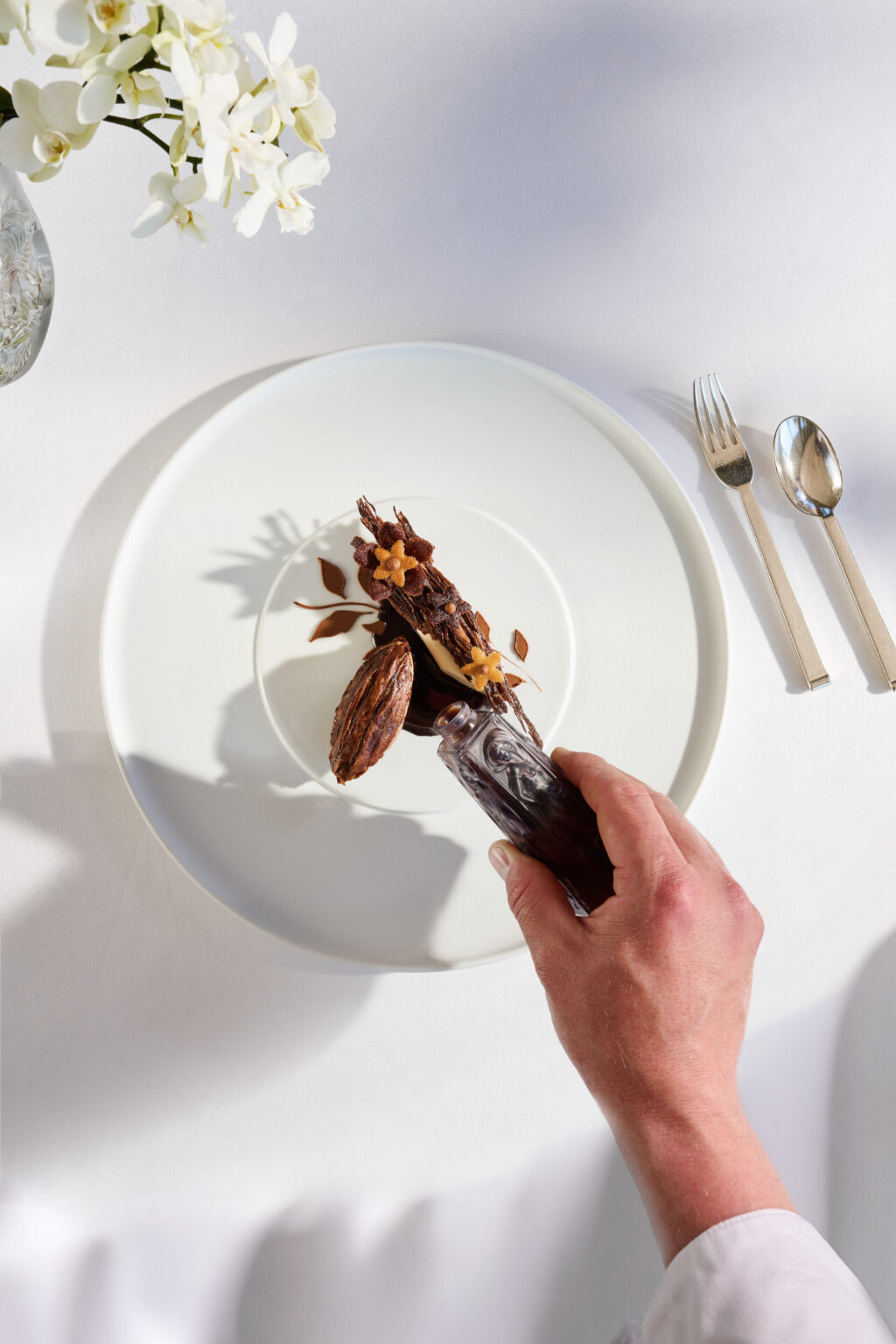
His cuisine is a self-portrait blending childhood memories, the flavors of Alsace, and high-level French technique, expressed through a precise, delicate style rooted in local terroir. Paul Stradner and his teams manage the park’s vegetable garden, which features more than 70 varieties of herbs, vegetables, and edible flowers. For each service, he personally selects the Lalique pieces to complement his plating. In this way, the culinary arts and the art of glassmaking come together.
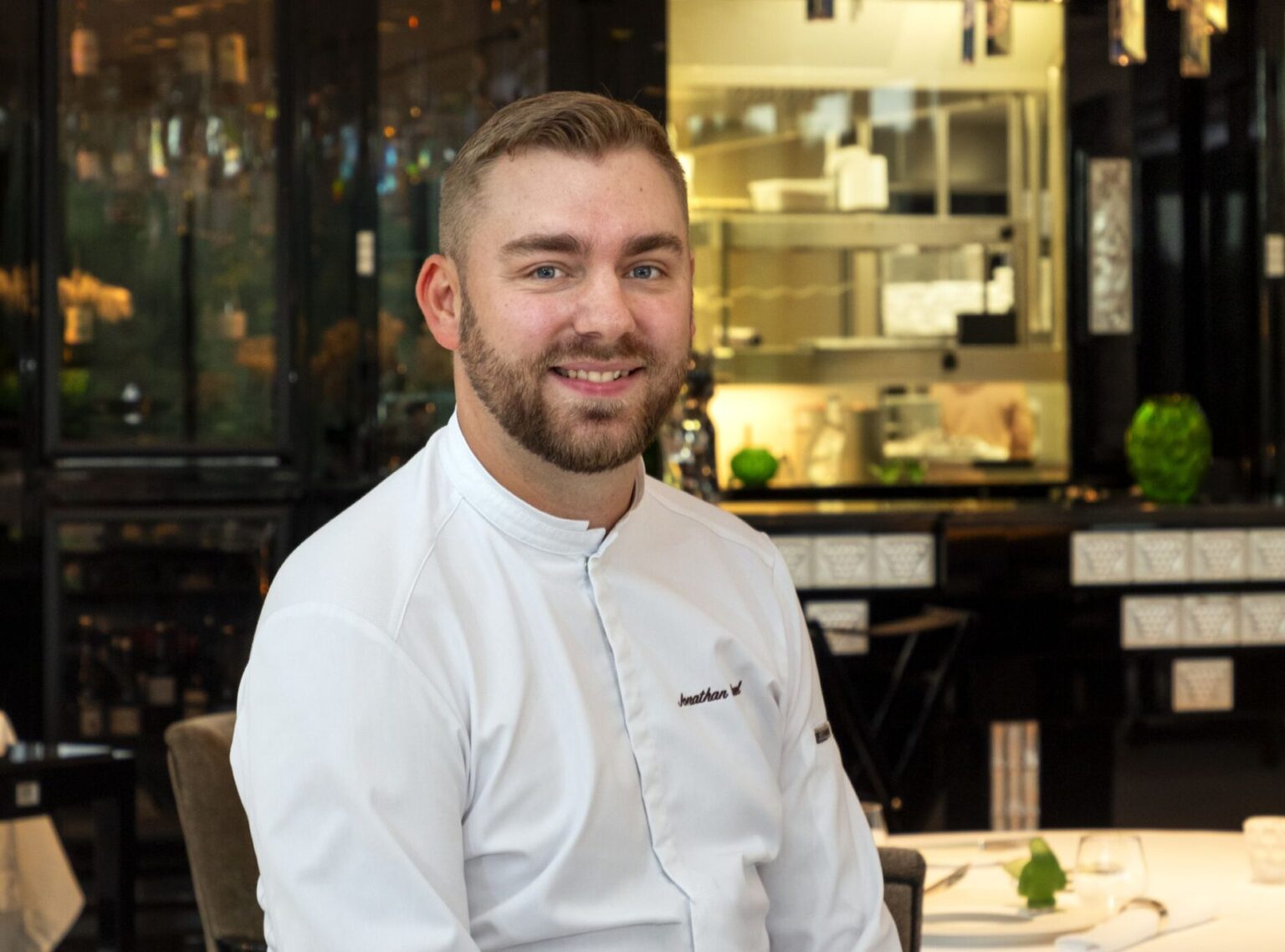
Jonathan Bunel, pastry chef.
Jonathan Bunel discovered his passion for pastries while working in Michelin-starred restaurants. Trained at the Hôtel Courcheneige in Courchevel, then at the Château de Rochecotte, he worked as a pastry chef de partie at Guy Lassausaie alongside Jérôme Schilling before joining the Domaine des Crayères in Reims.
He joined the Villa René Lalique in 2016 as a pastry chef de partie, and over the years rose to the position of sous-chef pâtissier. He left for a time to take over as head of pastry at Le Cerf in Marlenheim, then returned at the end of 2024 as head pastry chef. He succeeds Nicolas Multon, who created the position and has been there since the restaurant opened in 2015.
Leading a team of four pastry chefs, Jonathan Bunel draws his inspiration from ingredients sourced from the heart of the Northern Vosges, such as honey from the estate’s beehives, fruit from nearby forests, and herbs from Paul Stradner’s vegetable garden. His creative vision is a worthy extension of the chef’s culinary style, maintaining a commitment to local ingredients and high standards.
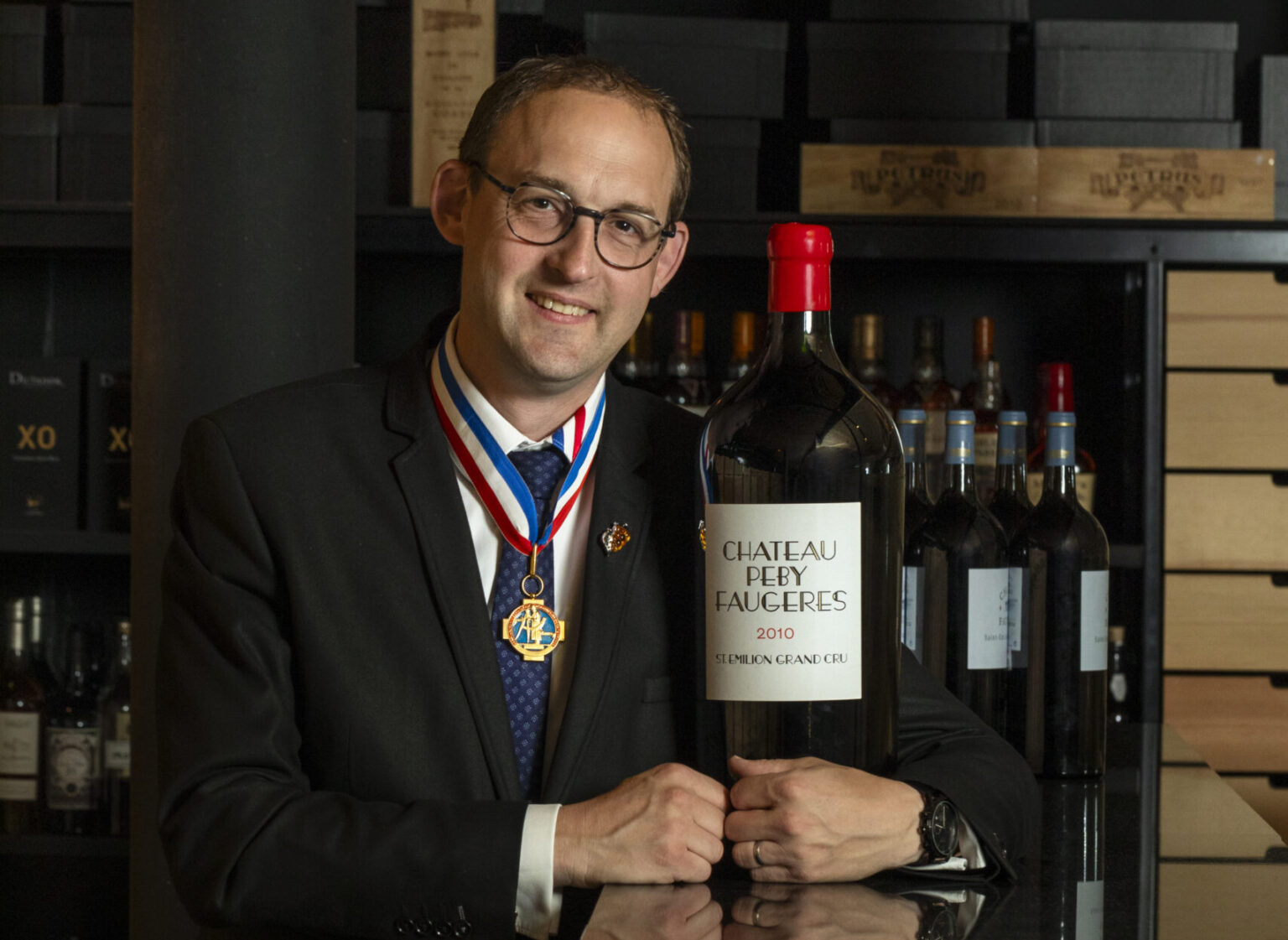
Romain Iltis, head sommelier.
Born in Colmar, Romain Iltis initially planned to pursue a career in cooking. However, meeting his sommelier instructor, Antoine Woërlé, and reaching the finals of the Chapoutier Trophy for best sommelier student shifted his passion toward wine.
Working at Alain Ducasse in Paris, Le Chabichou in Courchevel, and then L’Arnsbourg, run by Jean-Georges Klein, in Baerenthal, he has earned accolades with impressive consistency: Best Sommelier of France in 2012, then Best Craftsman of France (sommelier category) in 2015—just like his father before him. That same year, he joined Villa René Lalique as head sommelier upon its opening. Today, he also serves as wine director for the Lalique Group and has been president of the Association of Alsatian Sommeliers since 2023.
Under his leadership, the Villa’s wine cellar—nicknamed “La Cathédrale” and also designed by Mario Botta—houses nearly 30,000 bottles representing 2,500 different wines. It is one of the most beautiful wine cellars in Europe. He also oversees wine selection at Château Hochberg, promoting the vineyards of Silvio Denz’s estates alongside the region’s leading wineries.
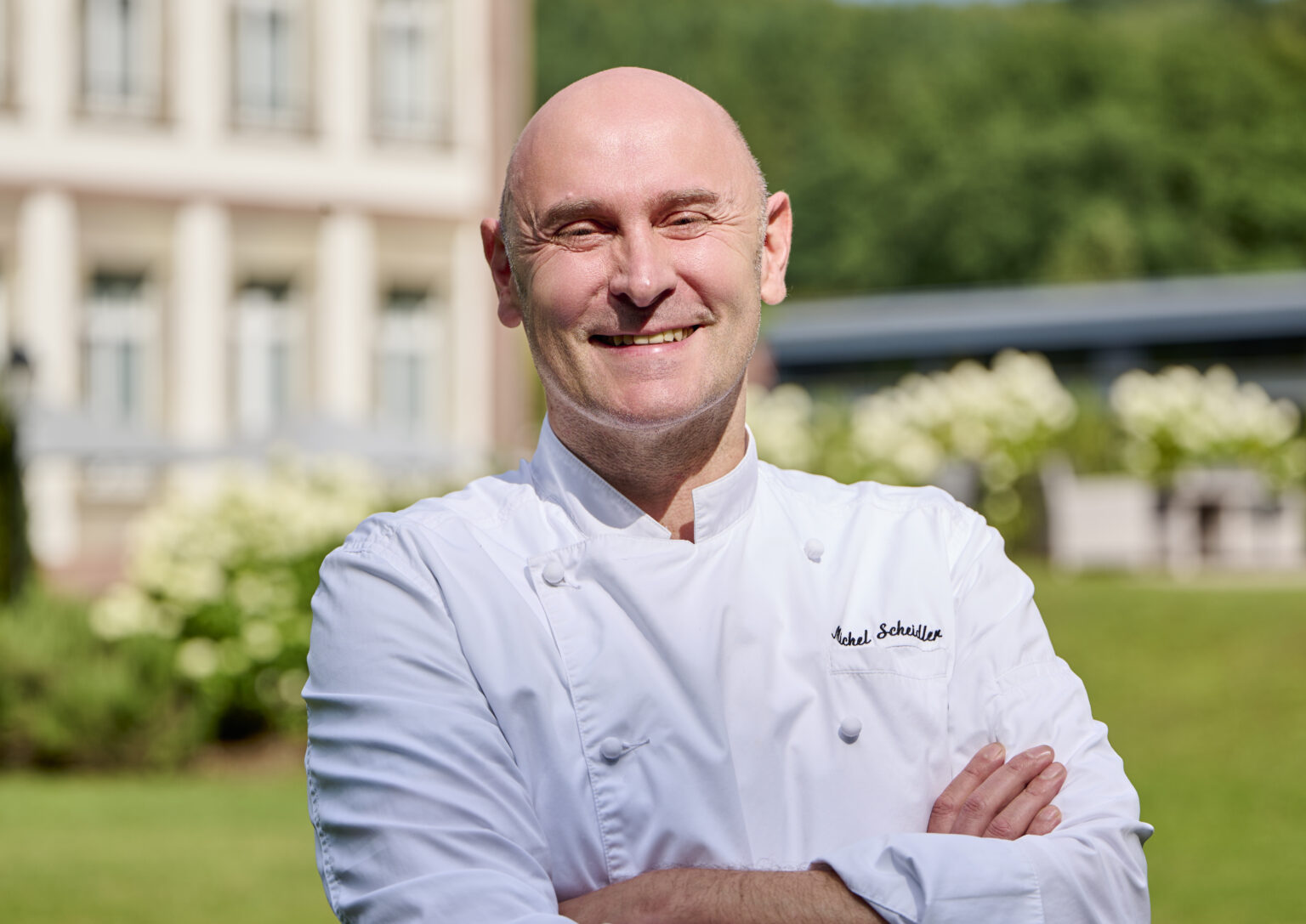
Michel Scheidler, chef at Château Hochberg by Lalique.
Born in Bitche, Michel Scheidler is one of those chefs whose career path speaks volumes about his loyalty to establishments and colleagues. Trained at the CFA Schluthfeld in Strasbourg and then at the CEFPPA in Illkirch-Graffenstaden, he spent nearly 20 years at L’Arnsbourg in Baerenthal alongside Jean-Georges Klein.
Starting as a section chef, he became sous chef in 1996 and played a key role in the restaurant’s achievement of its second Michelin star in 1998, followed by its third in 2002. In 2015, he followed his mentor to the Villa René Lalique, where he once again rose through the ranks to become sous-chef, contributing to the restaurant’s achievement of two Michelin stars in January 2016—just three months after opening.
In July 2025, drawing on more than 30 years of experience in the top Michelin-starred restaurants of Alsace and Lorraine, Michel Scheidler began a new chapter at Château Hochberg by Lalique. In this relaxed setting featuring Second Empire architecture, across from the Lalique Museum, he offers bistronomic cuisine where technique and creativity come together to highlight local producers, guided by a commitment to excellence, sharing, and respect for the ingredients—values dear to Lalique.
Tableware
Tableware has been at the heart of Lalique’s identity since its inception.
From the early 20th century onward, René Lalique created decanters, goblets, chandeliers, and panels—notably for the ocean liner Normandie and the Côte d’Azur Pullman-Express train—all pieces in which glass shapes the architecture of the dining experience. In the group’s restaurants, these creations are an integral part of the dining experience.
The House offers several collections of blown crystal glasses and decanters, all crafted in Wingen-sur-Moder in that inimitable style that blends transparency with a satin finish.
Among the notable collections, “100 Points”—born from a collaboration with wine critic James Suckling—is one of the most famous. Functional and elegant, its versatile blown crystal glasses with stems finished in a satin-polished finish are designed to enhance all types of wine.
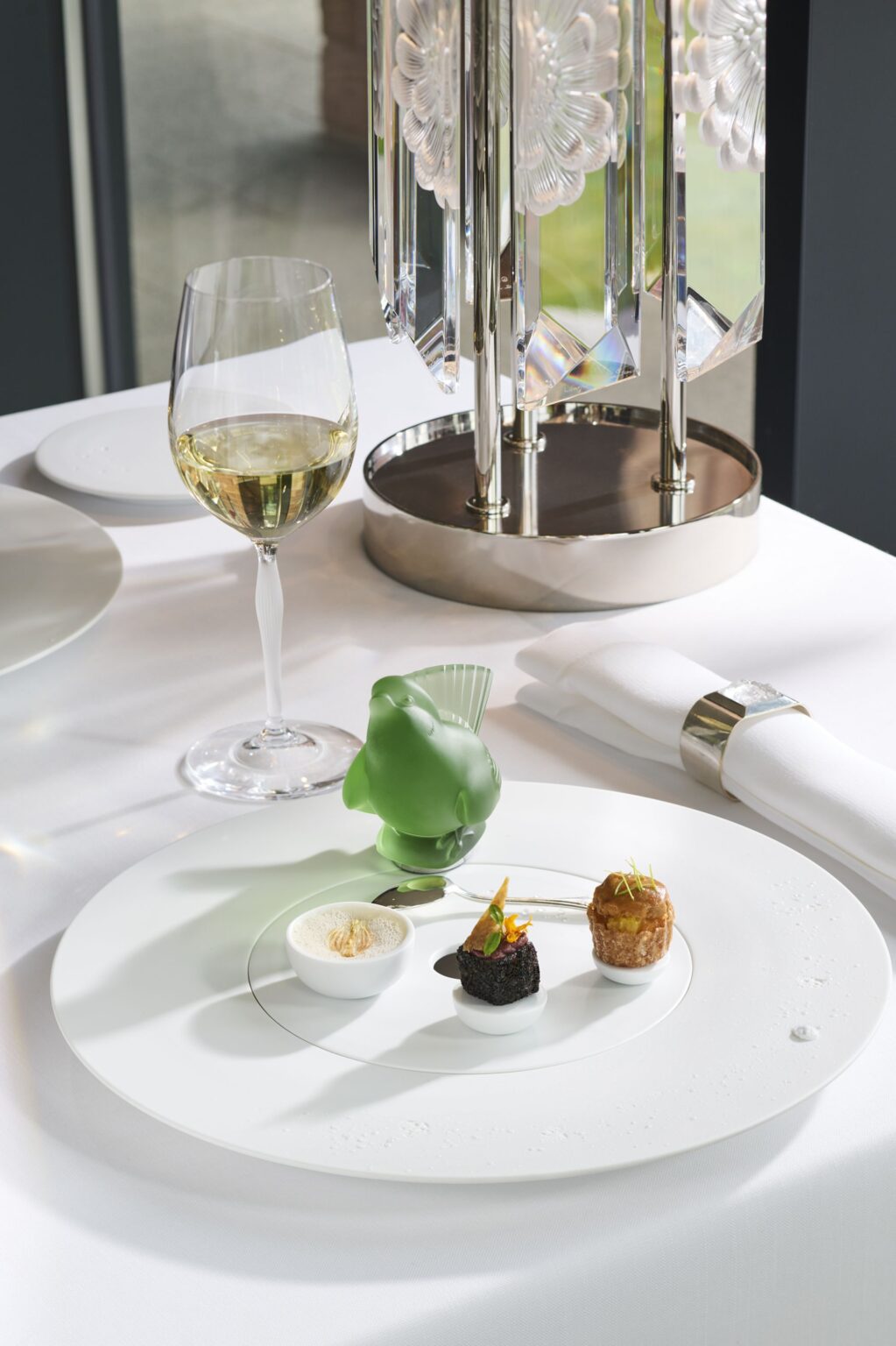
The Wingen collection, for its part, pays homage to the Alsatian village where the factory is located. The Langeais collection, created by Marc Lalique in 1976, draws inspiration from fluted balusters.
In 1998, Marie-Claude Lalique designed the Louvre collection, which features Egyptian hieroglyphs delicately engraved into satin-finished crystal. Finally, the 1er Cru collection embodies René Lalique’s founding vision of “making beauty accessible.”
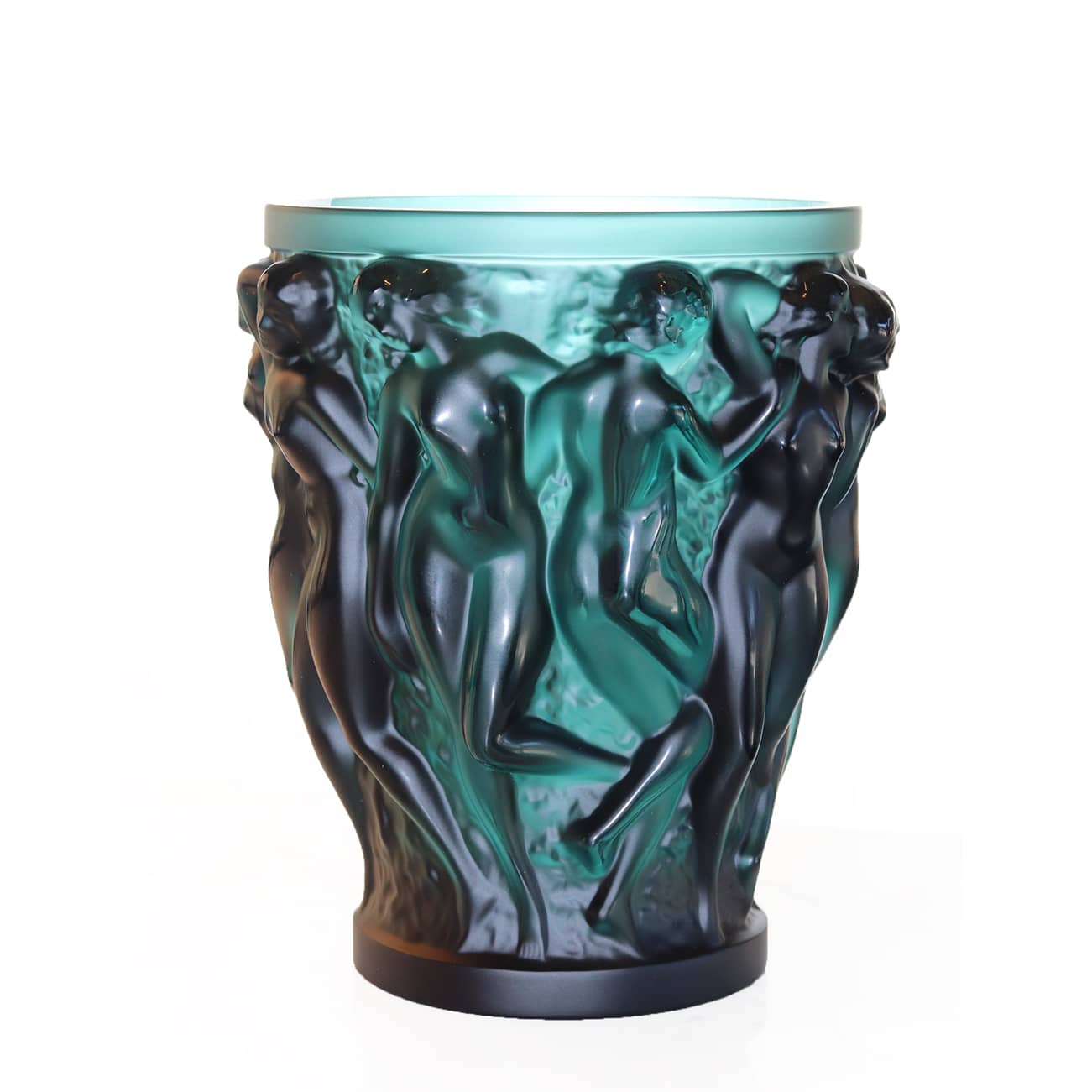
Requiring thirty hours of work per piece, the Bacchantes vase, released in 1927, is undoubtedly the most iconic piece, easily recognizable by its ballet of female figures in translucent crystal.
Originally designed in glass and adapted to crystal in 1947, it has remained a permanent fixture in the crystalware catalog, nearly a century after its creation.
Museum, Shop, and News
Opened in 2011, the Lalique Museum holds the “Musée de France” designation and is located just a stone’s throw from the factory, which is still in operation. Open daily during the high season, it welcomes tens of thousands of visitors each year.
The permanent collections span the entire artistic history of the House: Art Nouveau jewelry, preparatory drawings, historic perfume bottles, early glassware, and crystal creations by Marc and Marie-Claude Lalique, as well as contemporary pieces. Temporary exhibitions regularly complement the tour. This summer, “Cristallisation” takes a look back at 15 years of Lalique Art.
The museum has a gift shop offering jewelry, perfumes, books (including an 8-volume catalog of its collections), Lalique games and decorative objects, as well as a dining area. It is accessible to visitors with limited mobility and holds the Qualité Tourisme™ and Tourisme & Handicap certifications. School tours, children’s activities, and cultural events are scheduled throughout the year.
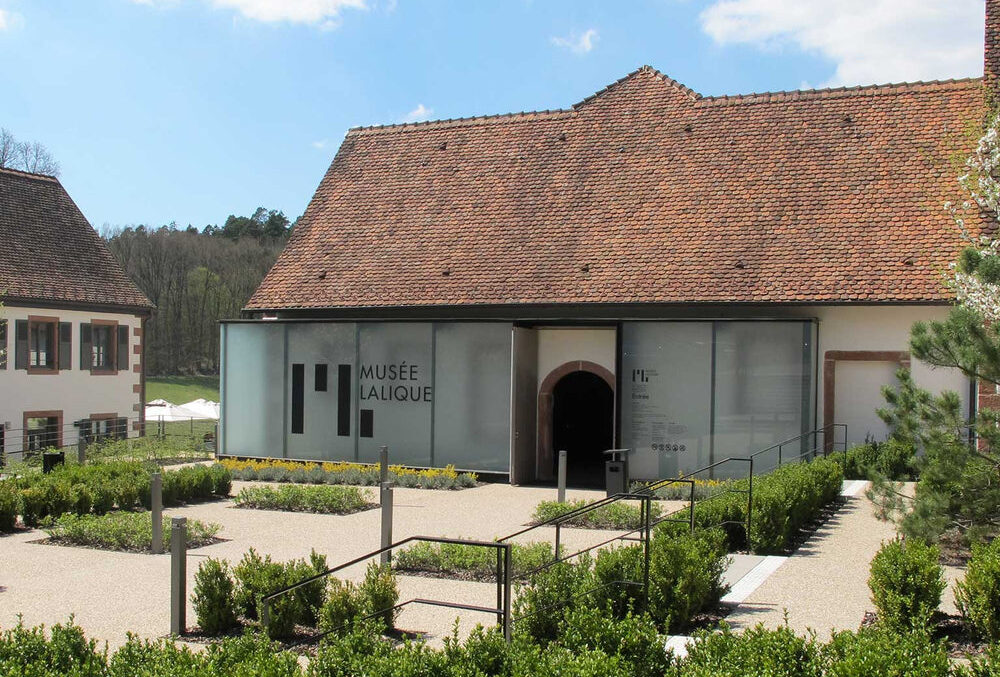
The museum shop
The museum shop serves as a natural extension of the tour: jewelry, perfumes, books—including an eight-volume reference catalog on the collections—games, and decorative objects are displayed alongside the House’s latest creations.
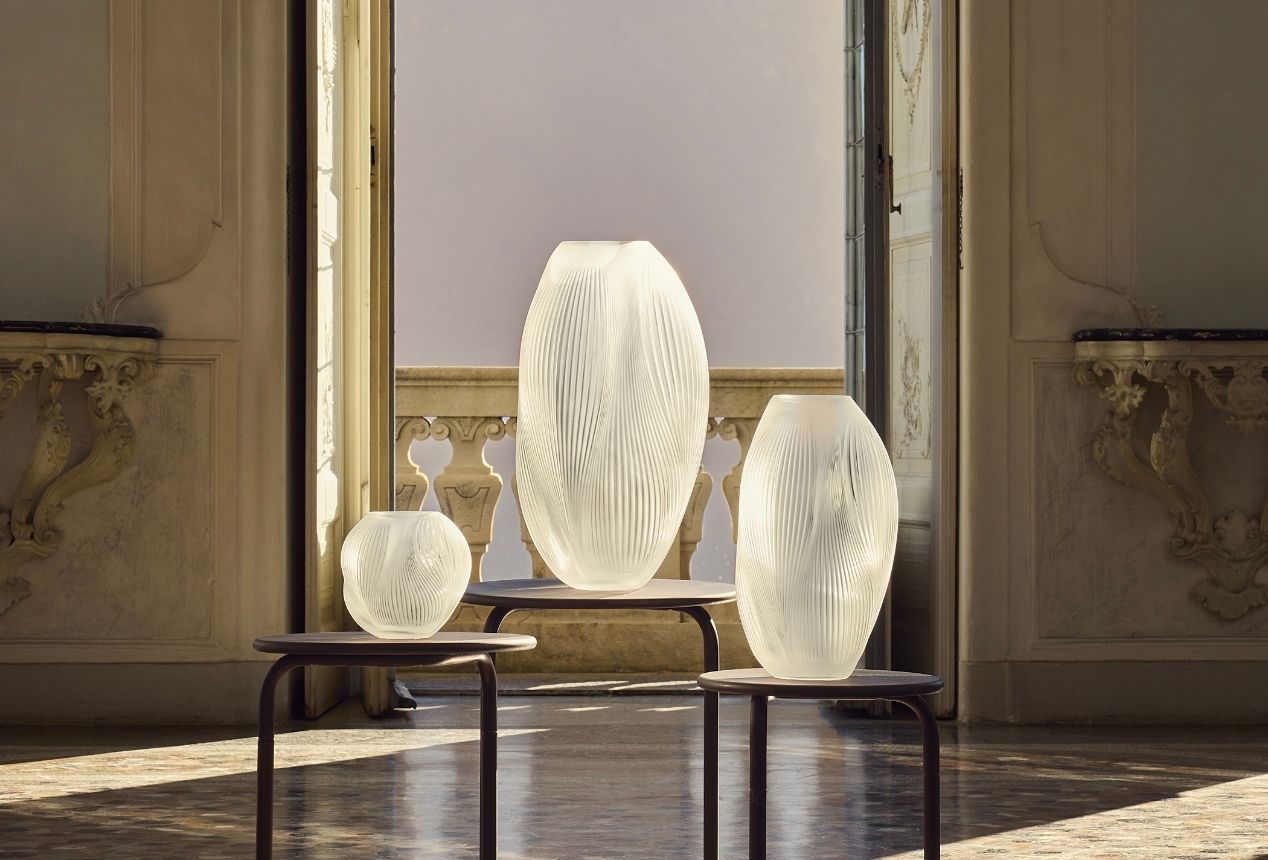
In the news, the House is celebrating the 100th anniversary of the Tourbillons vase, created in 1926 by Suzanne Lalique-Haviland, whose flowing swirls—inspired by a sprouting fern—have lost none of their charm. To mark this anniversary, Lalique is unveiling a collection of four pieces enhanced by a delicate coral patina, including a limited edition of 26 pieces accented with gold leaf.
At the same time, the Air de Lalique collection—an ode to lightness and movement—features vases, bowls, and sculptures with fluid curves that capture the caress of a summer breeze in crystal. Available in clear crystal or with a coral patina, some pieces are finished with rose gold leaf. This year confirms, if confirmation were needed, that Lalique continues to transcend its own classics, which are resolutely timeless.