

Post from 8 May 2026
Finding a good wine shop is an essential step for any wine lover, whether a beginner or a seasoned connoisseur. With so many wine cellars, gourmet food stores, and specialty shops to choose from, it can be difficult to know where to start.
This comprehensive guide helps you choose your wine shop with confidence, taking into account essential criteria such as expertise, wine selection, prices, and the quality of advice.
What Makes a Good Wine Merchant?
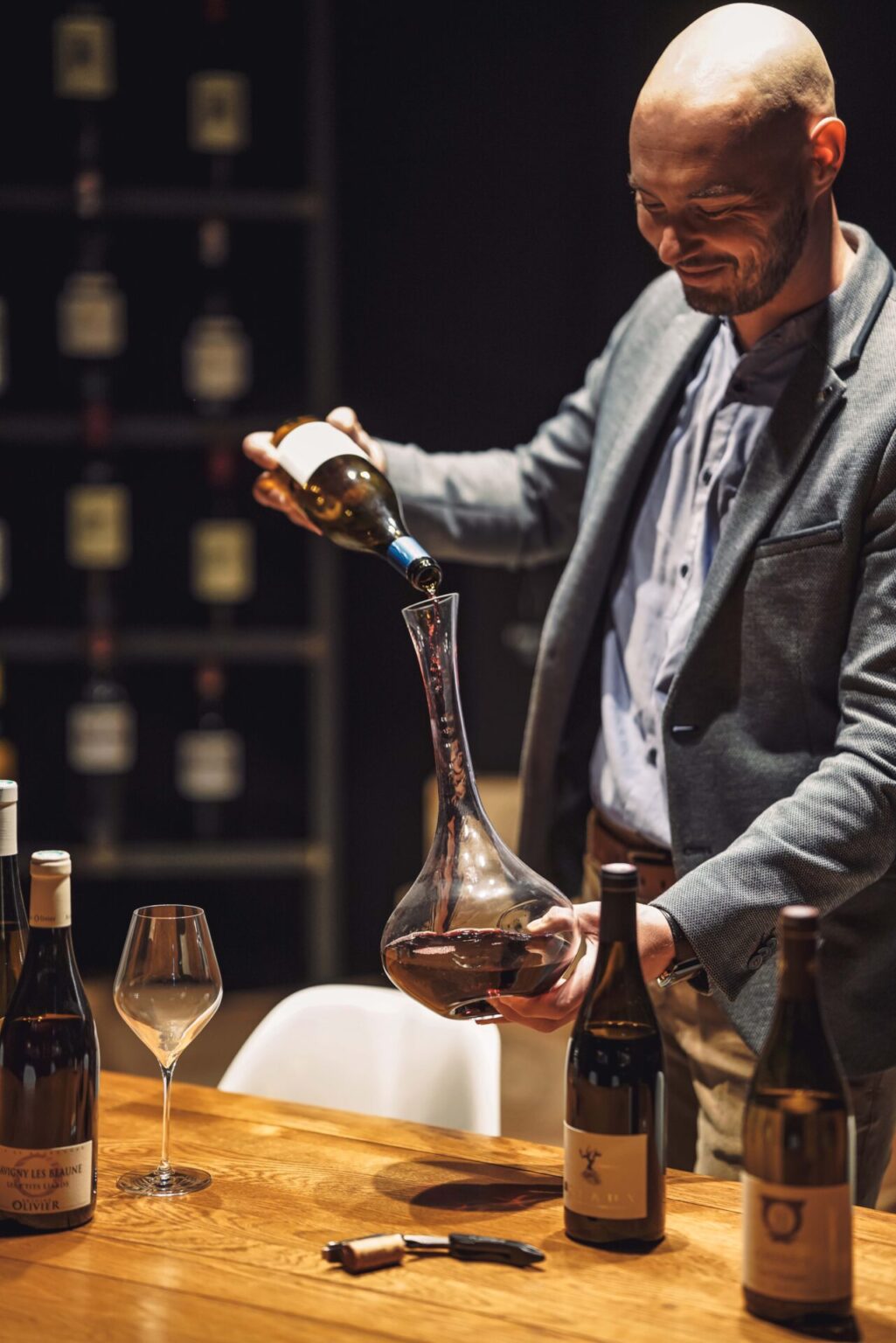
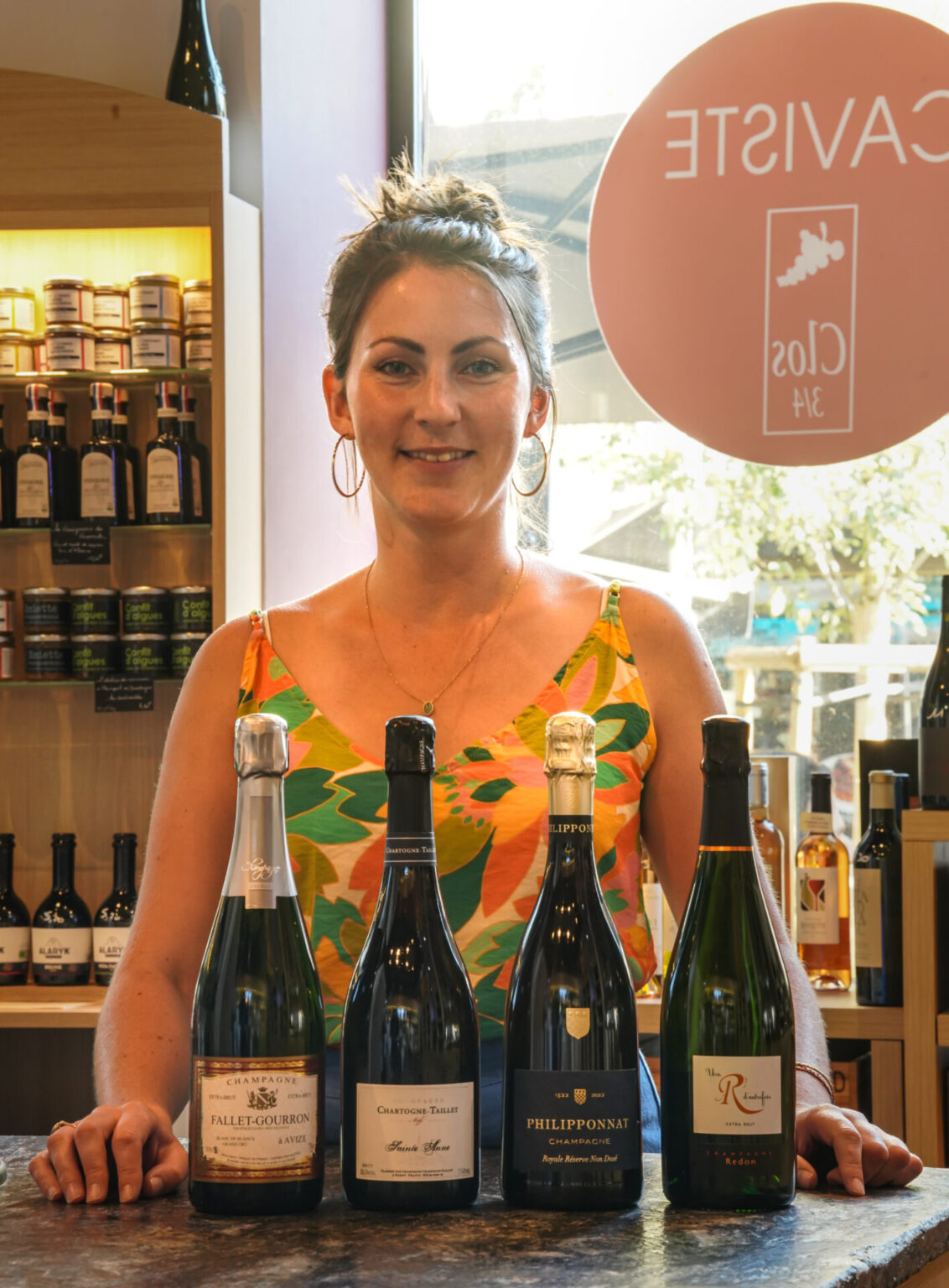
A professional wine merchant is much more than just a seller of bottles. They are an expert in wines and spirits, capable of guiding your purchases based on your tastes, budget, and the occasion.
A good wine merchant knows their products inside and out: appellations d’origine contrôlée (AOC), vintages, wineries, grape varieties, and food-wine pairings.
Unlike a big-box store, an independent wine merchant or specialty wine shop offers a personalized experience, tailored service, and a carefully curated selection of bottles.
It is this human touch that makes all the difference in building a cohesive and enjoyable wine collection.
The Wine Merchant's Expertise and Skills
The first thing to consider when looking for a quality wine merchant is their level of expertise.
A good professional should:
– Be familiar with the major wine-growing regions of France (Bordeaux, Burgundy, Rhône, Loire, Alsace, Champagne, Languedoc, Provence, etc.) and abroad (Italy, Spain, New Zealand, Chile, etc.)
– Be able to explain the differences between a wine meant for aging and one meant to be drunk young
– Have a solid understanding of terroir, winemaking, and barrel aging
– Advise you on food and wine pairings suited to your meals
– Answer your questions about wine service: temperature, decanting, glassware
Don’t hesitate to ask questions during your first visit. A passionate and knowledgeable wine merchant will be delighted to share their expertise. If they come across as condescending or unapproachable, move on.
Some wine merchants hold degrees in oenology or recognized certifications such as the WSET (Wine & Spirit Education Trust) or the title of Meilleur Ouvrier de France (MOF). These credentials are a serious guarantee of expertise.
The Selection and Diversity of the Wine Shop
A wine merchant worthy of the name offers a varied and cohesive selection of wines. Here’s what you should find in a good wine cellar:
The French Classics
– Bordeaux wines: Saint-Émilion, Pomerol, Médoc, Sauternes
– Burgundy wines: Chablis, Côte de Nuits, Côte de Beaune, Mâconnais
– Rhône Valley wines: Châteauneuf-du-Pape, Côtes-du-Rhône, Crozes-Hermitage
– Alsace Wines: Riesling, Gewürztraminer, Pinot Gris
– Loire Valley Wines: Muscadet, Sancerre, Vouvray, Chinon
– Languedoc-Roussillon Wines: Faugères, Pic Saint-Loup, Collioure
– Champagnes and Crémants
Wines of the World
An open-minded and curious wine merchant will also offer a fine selection of foreign wines: Italian wines (Barolo, Brunello, Amarone), Spanish wines (Rioja, Ribera del Duero), wines from South America, Australia, and the United States.
Current Trends
Natural wines, organic and biodynamic wines, as well as orange wines, are on the rise. A good wine merchant keeps up with these trends and can offer you wines from certified organic farming or biodynamic practices.
Value for Money and Storage Conditions
Pricing Policy and Value for Money
Wine prices at a specialty wine shop are often slightly higher than those at large retailers. This is normal: you’re also paying for advice, proper storage conditions, and the curation of the selection. However, a good wine shop should offer bottles at all price points:
– Entry-level wines around €8 to €15 for everyday drinking
– Mid-range wines between €15 and €40 for quality meals
– Prestige or collectible bottles for special occasions
Be wary of wine shops that only offer high-end wines or that artificially inflate their prices. Compare the prices charged with those listed on platforms like Idealwine, Millésima, or La Place de Bordeaux to get a sense of the market.
A good wine merchant can also guide you toward excellent, little-known small estates that offer exceptional value for money—that’s often where the best discoveries are found.
Wine Storage Conditions
Proper wine storage is crucial to the quality of your purchase. A reputable wine merchant stores bottles under optimal conditions:
– Stable temperature between 12 and 14°C
– Controlled humidity (between 70 and 80%)
– No vibrations or direct light
– Bottles stored horizontally for wines with cork stoppers
If you visit the store and find that bottles have been exposed to light or stored upright for a long time, this is a bad sign. A wine that has been stored improperly may be irreparably spoiled.
Some wine merchants also offer outsourced storage or wine cellar services: they store your bottles on their premises under perfect conditions. This is a very useful service if you don’t have a wine cellar at home.
The Board and Customer Relations
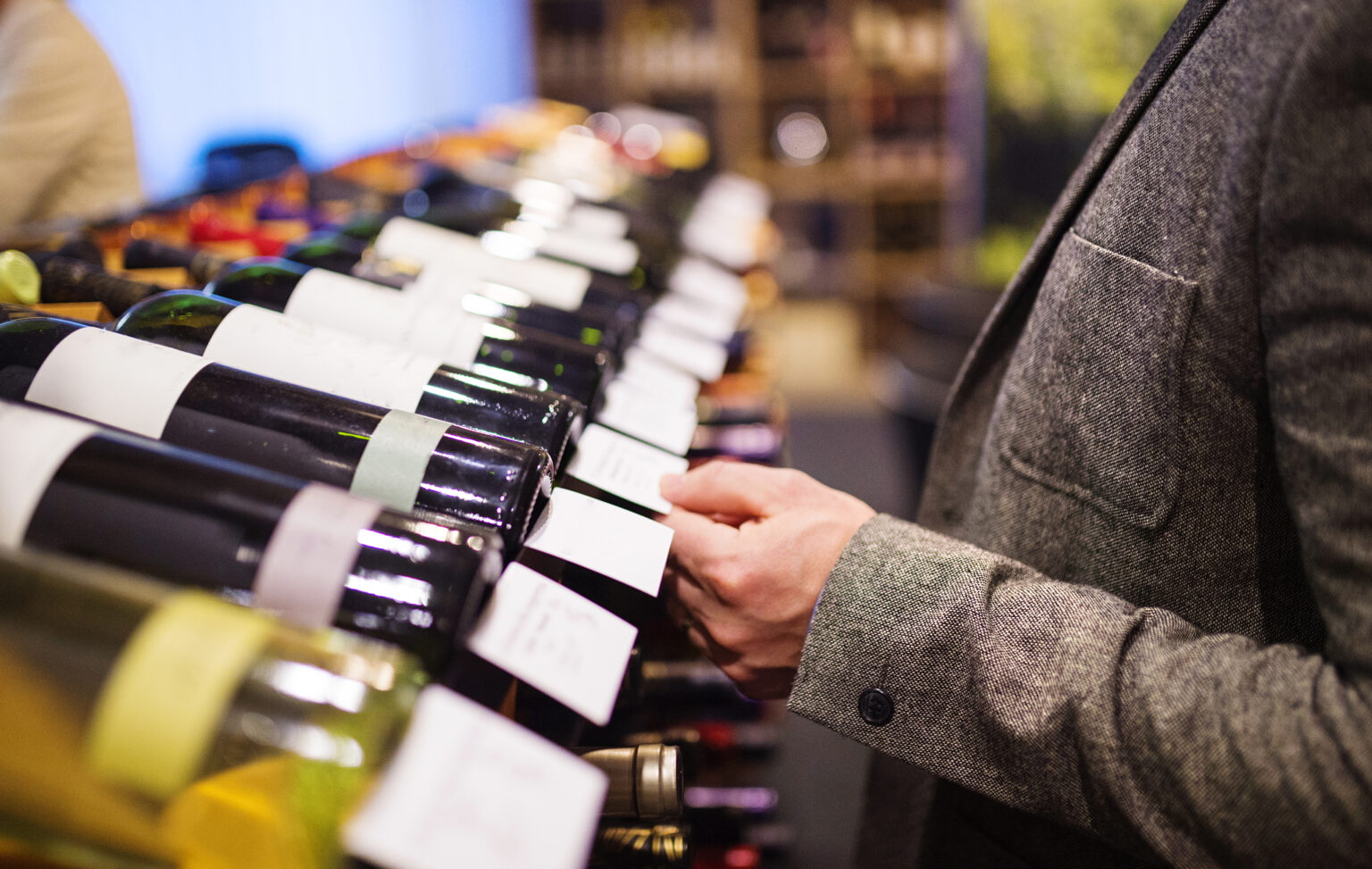
Personalized advice is the wine merchant’s greatest asset when competing against retail giants. A good professional takes the time to:
– Listen to you: your tastes, your budget, the occasion (family dinner, gift, tasting with friends, etc.)
– Ask you the right questions: what dish will you be pairing it with? What is the profile of your guests?
– Suggest alternatives if your first choice isn’t available
– Inform you about new arrivals and current favorites
A wine merchant who knows you and remembers your preferences is a valuable long-term partner. This relationship of trust is one of the main reasons why loyal wine lovers don’t easily switch retailers.
How to Test a Wine Merchant Before Committing?
Before committing to a wine merchant long-term, here are a few simple tests:
1. Ask for a recommendation within a specific budget (e.g., “I’m looking for a good red wine for €15”) and assess the quality of the response.
2. Ask a technical question about a grape variety or region you’re familiar with. Check the accuracy of the answer.
3. Attend a tasting: many wine merchants organize tasting events, wine workshops, or themed masterclasses. This is the perfect opportunity to assess the merchant’s teaching skills and passion.
4. Check online reviews: Google reviews, comments on social media, or specialized forums like La Passion du Vin give you an idea of the establishment’s reputation.
Additional Services to Look For
A good wine merchant often offers additional services that make all the difference:
– Building a wine cellar: they help you plan your purchases to build a well-rounded collection, featuring wines for aging and wines for immediate enjoyment
– Monthly wine subscription: regular delivery of bottles selected based on your preferences
– Gift service and wine gift sets: for birthdays, Christmas, weddings, or professional events
– Custom orders and access to en primeur wines (Bordeaux, Burgundy, etc.)
– Bottle engraving and personalization for special occasions
– Advice for private cellars: layout, choosing a wine cabinet, organizing the cellar
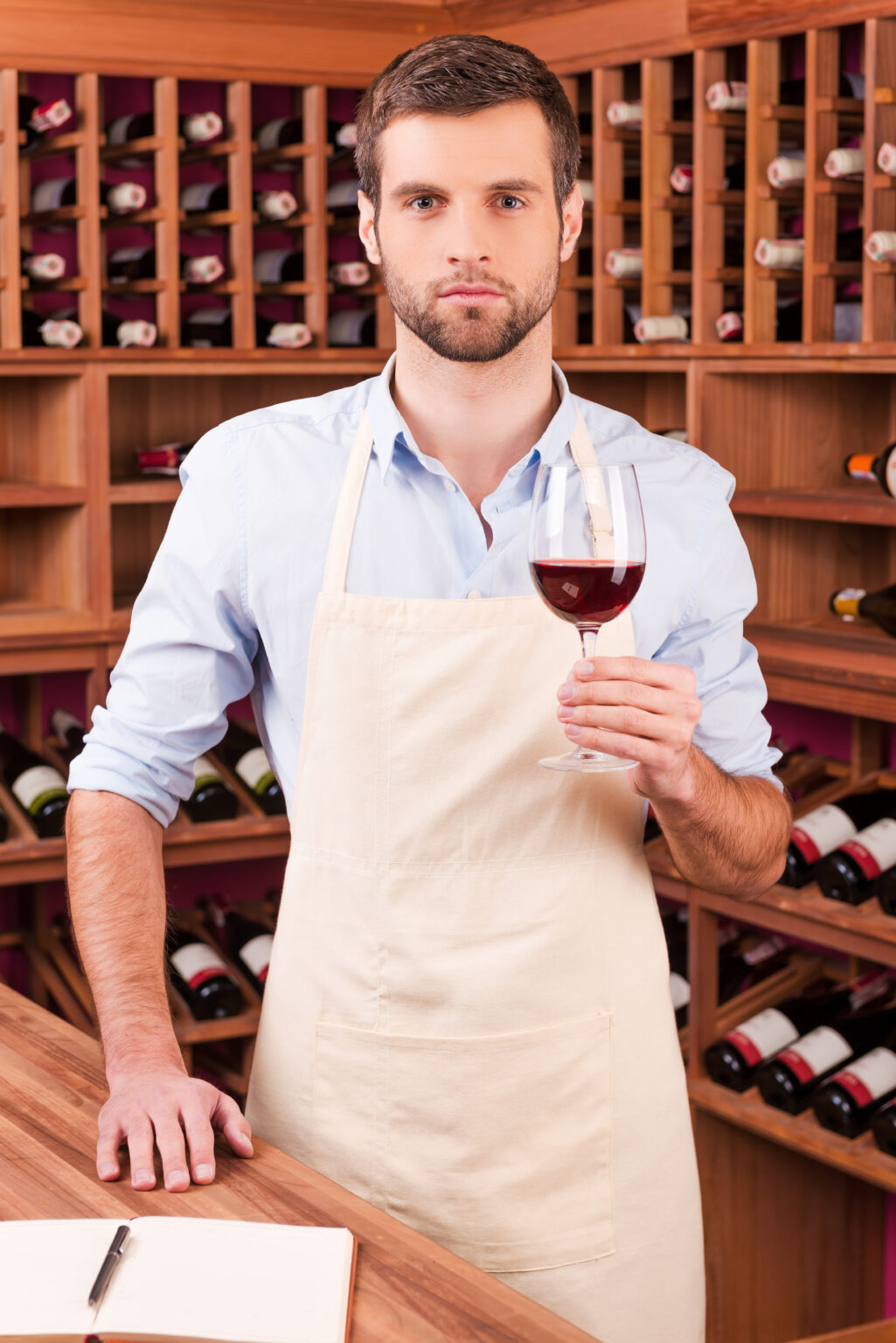
Independent Wine Merchant or Chain Wine Merchant?
There are two main categories of wine merchants:
The Independent Wine Merchant
They choose their own suppliers and curate their selection based on their personal convictions. Their selection is often more personal, original, and distinctive. They typically have direct relationships with winemakers and can offer you exclusive wines or en primeur selections. The downside: their inventory may be limited.
The Chain or Franchise Wine Merchant
Chains such as Nicolas, Les Caves du Marché, Le Repaire de Bacchus, or Vinatis offer a standardized selection, often larger in volume, with negotiated prices. The advice there is sometimes less specialized, but product availability is better.
The choice depends on your needs: for everyday, convenient purchases, a chain is a great fit. For a deeper exploration and expert advice, an independent wine merchant is often a better choice.
Brick-and-Mortar Wine Shop or Online Wine Shop?
Online wine retailers have experienced strong growth in recent years. Sites like iDealwine, Vinatis, Millésima, Vins Étonnants, or Le Petit Ballon let you buy wine from home with a wide selection and detailed product descriptions.
Advantages of online wine retailers:
– Huge selection, often several thousand titles
– Easy price comparison
– Home delivery
– Verified customer reviews
Disadvantages of online wine retailers:
– No direct personal advice
– You can’t “feel” the atmosphere of a store
– Shipping costs and risks associated with transporting bottles
The ideal approach is often to combine both: your local wine shop for advice and impulse purchases, and the internet for bulk purchases or to find rare wines.
Trust Your Palate and Your Instincts
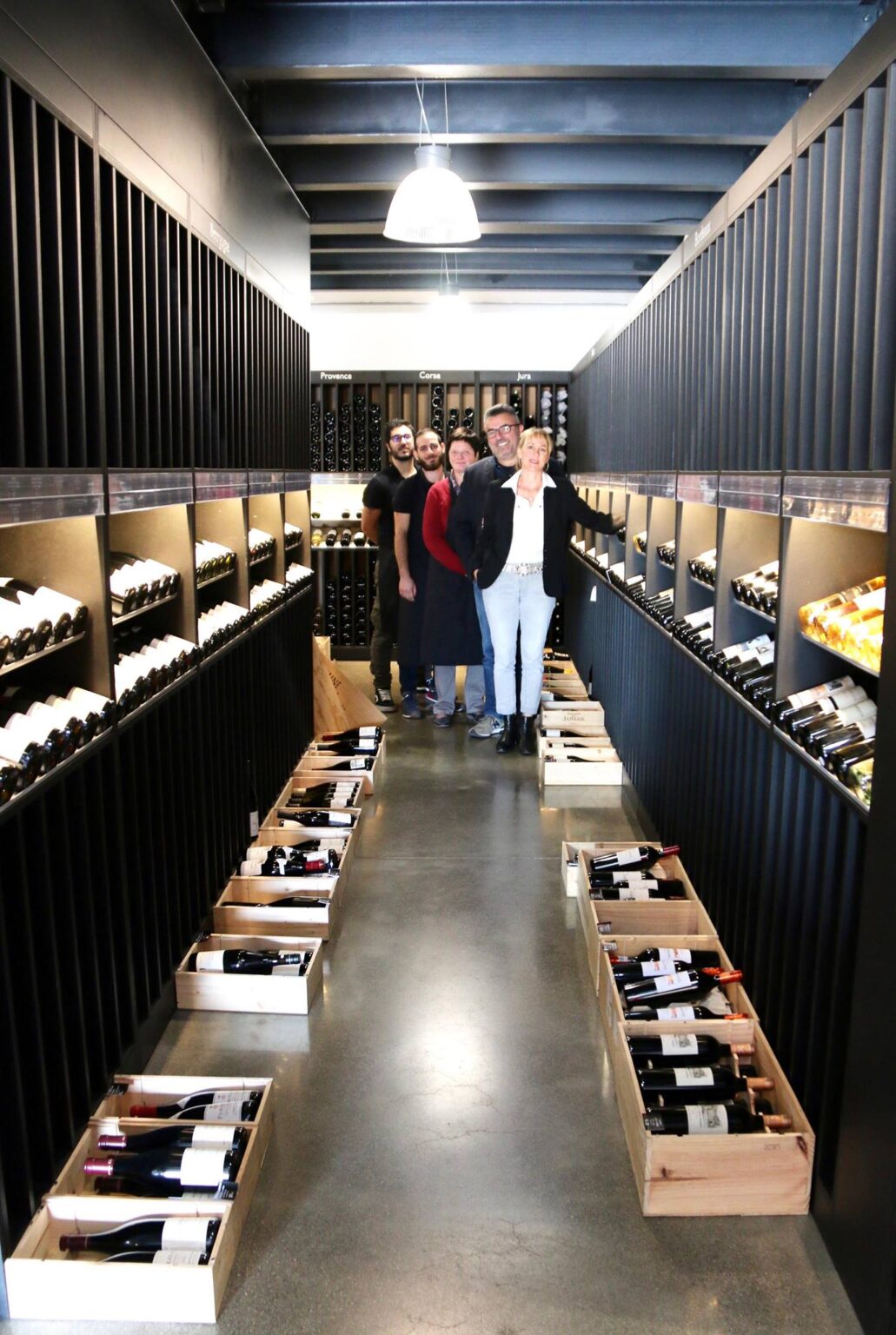
Choosing a wine shop is, above all, a matter of trust, shared passion, and discovery. Don’t rely solely on credentials or the size of the store: a small, passionate neighborhood wine shop can offer you much more than a large chain.
Take the time to visit several shops, talk to the staff, participate in tastings, and compare what’s on offer. Your palate, your curiosity, and your budget will be your best guides.
By following the criteria detailed in this guide—expertise, selection, price, storage, advice, and services—you’ll find the perfect wine shop to satisfy all your wine-related desires, from simple everyday enjoyment to memorable special occasions.
Visit our food&good wine shops: Wine Shops